Baseboards & Floor Edges Reset for a Cleaner Room
Dusty baseboards and dirty floor edges making the room look messy? This simple reset cleans them fast and makes floors look fresher without hours of scrubbing.
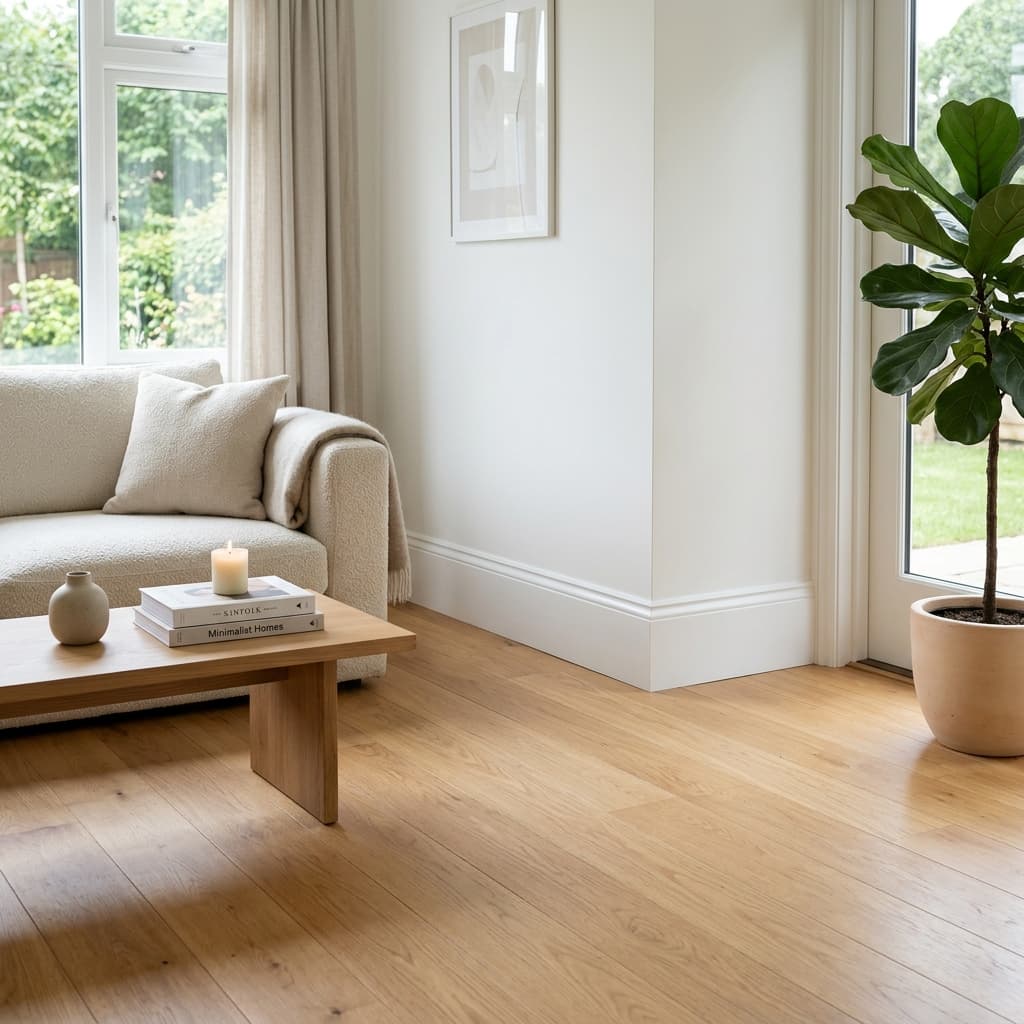
You vacuumed the floors and even mopped, yet the room still looks a little dingy. The problem is usually the baseboards and the narrow strip where the floor meets the wall. Dust, pet hair, and scuff marks collect there and create a dark outline that makes clean floors look unfinished.
Most people skip this spot because it means kneeling, bending, or dealing with awkward angles. In summer the dust gets stickier from humidity and shows up faster. The good news is a focused baseboards and floor edges reset takes 10–20 minutes per average room once you have a simple system, and the visual payoff is bigger than most people expect.
Why Baseboards and Floor Edges Matter More Than You Think
Baseboards sit at eye level when you’re sitting and form a continuous line around the room. When they’re dusty or scuffed, the whole space feels less clean even if the center of the floor is spotless. The seam where the baseboard meets the floor traps fine dust, crumbs, and hair that regular vacuuming often misses.
Humidity makes the problem worse. Dust absorbs moisture and turns slightly tacky, so it clings instead of brushing away easily. Homes with pets or kids see faster buildup. Cleaning just the vertical face of the baseboard isn’t enough—you need to hit the top edge, the front, the corners, and that critical floor seam.
The Fast, Practical Reset Method
This approach prioritizes dry removal first, then a targeted wipe, with options that keep you off your knees as much as possible.
What You Need
- Vacuum with brush and crevice attachments
- Microfiber cloths or an old cotton sock
- Mild dish soap or a simple vinegar-water mix
- Warm water
- Optional: magic eraser or melamine sponge for scuffs
- Optional: long-handled mop or broom for standing work
- Dryer sheet (for the finish)
Step-by-Step
-
Clear the path (1–2 minutes)
Move small items, rugs, and anything sitting against the walls. You need a clear run along the baseboards. -
Dry pass first (3–5 minutes)
This is the step most people skip, and it’s the one that prevents streaky messes. Use the vacuum brush attachment along the top of the baseboard, down the face, and into the floor seam. A crevice tool helps in corners and tight spots. If you don’t have a vacuum handy, a dry microfiber cloth or clean paintbrush works for loose dust. Doing the dry pass first means the wet step only has to deal with the film and scuffs, not a layer of loose dirt that turns to mud. -
Wipe with a light solution (5–8 minutes)
Mix a small amount of mild dish soap in warm water, or use equal parts white vinegar and water in a spray bottle. Dampen a microfiber cloth or pull a clean sock over your hand, wring it well so it’s not dripping, and wipe the baseboards. Work in sections. Hit the top edge, the face, and the floor seam. For corners and detailed profiles, a soft toothbrush or cotton swab dipped in the solution reaches what a flat cloth misses. If you prefer to stay standing, wrap a damp microfiber cloth around a mop head or the end of a broom and run it along the boards. -
Tackle scuffs (2–3 minutes)
Black marks from shoes or furniture often respond to a damp magic eraser used with light pressure. Test in a hidden spot first on delicate or high-gloss finishes. For stubborn marks, a paste of baking soda and water can help without harsh chemicals. -
Dry thoroughly
Wipe everything with a clean dry cloth. Leaving moisture on wood baseboards or near wood floors can cause issues over time, especially in humid weather. A quick dry pass also prevents new dust from sticking immediately. -
Optional anti-dust finish
Run a clean dryer sheet lightly over the baseboards. The thin residue helps repel dust for a while so the next cleaning is easier.
What Most People Get Wrong
The biggest mistake is going straight to a wet cloth on dusty boards. You end up pushing a muddy film around and creating more work. Always dry-remove first.
Using too much water is the next common problem. Baseboards and the floor edge don’t need to be soaked. A well-wrung cloth or lightly damp mop pad is enough. Excess water can seep under the baseboard or damage wood floors.
People also tend to clean only the visible face and ignore the top edge and the floor seam. Those two spots hold a surprising amount of the grime that makes the room look unfinished. Finally, many wait until the boards look bad instead of hitting them lightly while already vacuuming or mopping. A 60-second pass during regular floor cleaning prevents the need for a full reset as often.
Tools and Tricks That Reduce Bending
If kneeling is hard on your back or knees, these options help:
- Vacuum brush attachment on an extension wand
- Microfiber pad on a flat mop or broom handle
- Sock on your hand while sitting on a low stool
- Swiffer-style duster for the dry pass
- Long-handled soft brush for corners
You can clean most of an average room from a standing or seated position with the right tools. Save the hands-and-knees work for detailed corners if needed.
How Often to Do This Reset
In most homes, a full reset every 4–6 weeks keeps things looking good. During dusty seasons, high-pollen periods, or if you have pets, every 2–3 weeks is more realistic. The light maintenance version—vacuum attachment plus a quick wipe while doing floors—can be done weekly or every other week in high-traffic rooms.
Kitchens and entryways usually need more frequent attention because of foot traffic and cooking residue. Bedrooms can often go longer.
Extra Tips for Longer-Lasting Results
- Vacuum or sweep the floor edges every time you do the main floor. This stops debris from settling into the seam.
- Keep a small microfiber cloth in your cleaning caddy specifically for baseboards so the tool is always ready.
- If your baseboards are painted, avoid overly abrasive scrubbing that can wear the finish.
- In humid summer weather, the dryer-sheet pass makes a bigger difference because dust becomes stickier.
- For rental apartments, stick to gentle methods (soap, vinegar, magic eraser used lightly) so you don’t damage the finish.
Realistic Time and Effort
An average living room or bedroom takes 10–15 minutes once you’re efficient. A whole small apartment or the main floor of a house might take 45–60 minutes the first time. After that, maintenance passes are much faster. The visual improvement—cleaner floor lines and a brighter overall look—is usually noticeable immediately.
FAQ: Baseboards & Floor Edges Cleaning
How do I clean baseboards without killing my back or knees?
Use a vacuum brush attachment on an extension, wrap a damp microfiber cloth around a mop or broom handle, or sit on a low stool and use a sock over your hand. These methods let you clean most of the boards while standing or sitting.
What’s the best way to get rid of scuff marks on baseboards?
A damp magic eraser with light pressure works on many painted surfaces. Test first. For tougher marks, a baking soda paste or a dedicated scuff eraser can help. Avoid heavy scrubbing that removes paint.
How often should baseboards really be cleaned?
Every 4–6 weeks for a full wipe in average conditions. High-traffic areas, homes with pets, or dusty seasons benefit from every 2–3 weeks. Light vacuuming of the edges during regular floor cleaning helps a lot in between.
Can I just use a regular floor mop on baseboards?
Yes, if you wring it well and use a microfiber pad. A very damp mop can leave too much water. Many people do a quick baseboard pass with the mop while cleaning floors for efficient maintenance.
Why do my baseboards get dusty again so fast?
Dust settles downward and static attracts it. Humidity makes it stickier. A light dryer-sheet wipe after cleaning reduces static cling. Regular floor-edge vacuuming also slows visible buildup.
Is vinegar safe on all baseboards?
Diluted vinegar is fine for most painted baseboards. On real wood or specialty finishes, use a milder soap solution and test a hidden spot. Always dry thoroughly afterward.
Related Articles
- Weekend Living Room Summer Reset
- 15-Minute Sticky Floor & Musty Smell Summer Reset
- High-Touch Surfaces Cleaning Weekly Reset
Dusty baseboards and dirty floor edges are one of the quiet reasons a room never looks fully clean. A quick dry vacuum pass, a light wipe with a simple solution, attention to the floor seam, and a thorough dry make a bigger difference than most people expect.
Pick one room this week and run through the steps. When you finish and look at the clean line where the floor meets the wall, you’ll see why this small reset is worth doing.
Do your baseboards get dusty fastest in the living room, hallway, or somewhere else? Tell me in the comments—I read them and I’m always curious which spots give people the most trouble. You’ve got this.
Related Posts
More in Home Organization →
Door Frames, Knobs & Handles Full Reset
Sticky door knobs and scuffed frames looking dull? This door frames and handles reset uses a natural wipe or melamine sponge without damage.
Under-Furniture Dust Reset for Cleaner Rooms
Dust under furniture making rooms feel smaller? This under-furniture dust reset clears the mess without moving heavy pieces so spaces look bigger.

Washing Machine Deep Clean for Musty Smells
Musty smells ruining your laundry? This washing machine deep clean removes buildup, cleans the gasket, and stops odors with a tablet or natural method.