Under-Furniture Dust Reset for Cleaner Rooms
Dust under furniture making rooms feel smaller? This under-furniture dust reset clears the mess without moving heavy pieces so spaces look bigger.
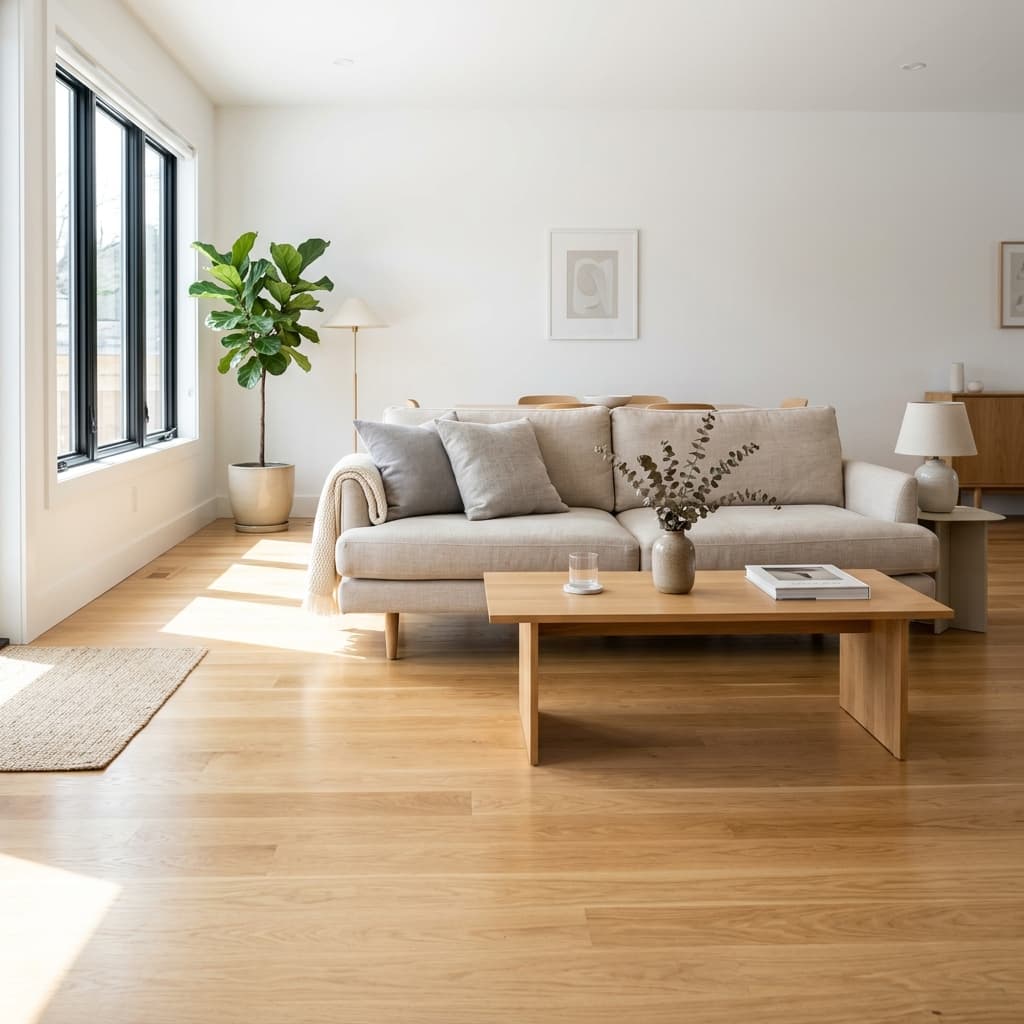
You vacuum the open floor and the room still feels a little dull. Then you glance under the couch or bed and see the real problem: a gray layer of dust, pet hair, and random debris that has been accumulating for months. That hidden mess makes the whole space look smaller and less cared for.
Most people avoid cleaning under furniture because moving a heavy sofa or dresser feels like a weekend project. You don’t have to move everything. A focused under-furniture dust reset using tools you probably already own can clear the worst of it in 15–30 minutes per room and create a surprisingly big visual improvement. Clean floor edges and less trapped dust make light bounce better and remove that subtle “dirty outline” that shrinks a room.
Why Under-Furniture Areas Make Rooms Feel Smaller
Dust and debris collect in the shadowed zones under sofas, beds, dressers, and media stands. The dirty strip along the floor creates visual weight. When the open floor is clean but the edges under furniture are gray, the room never looks fully finished. Allergens and pet hair also stay trapped there, so the air doesn’t feel as fresh.
In dry seasons or homes with pets, the buildup happens faster. Humidity can turn dust into a slightly sticky film that clings harder. Regular vacuuming of the main floor rarely reaches more than a few inches underneath.
The Practical No-Move Reset Method
You can get excellent results without sliding heavy pieces every time. Aim for thorough perimeter cleaning plus as much center reach as your tools allow.
What You’ll Need
- Vacuum with hose, crevice tool, and brush attachment
- Long-handled microfiber duster or flexible wand
- Microfiber cloth or old sock
- Yardstick, broom handle, or extendable pole
- Flashlight or phone light
- Optional: rubber broom or carpet rake for pet hair
- Optional: furniture sliders for occasional deeper access
Step-by-Step
1. Prep and light the space (2 minutes)
Clear small items, cords, and toys from around the furniture. Use a flashlight to see how far the dust extends and where the biggest piles are. Knowing the clearance (how many inches under the piece) tells you which tools will fit.
2. Vacuum the reachable zone (5–10 minutes)
Attach the crevice tool or a long flexible hose. Work from the open side, pushing the tool as far under as it will go in overlapping passes. Angle it to catch the floor edge and the underside of the furniture frame if possible. On hard floors, a soft brush attachment prevents scratches. On carpet, the upholstery or crevice tool works better.
Don’t try to force the tool into spots that are too tight—you’ll just jam it. Cover the first 12–18 inches thoroughly; that perimeter zone is what you see most and where a lot of the visual impact lives.
3. Sweep or dust what the vacuum misses (5 minutes)
For low-clearance furniture, wrap a microfiber cloth or sock around a yardstick or broom handle and secure it with a rubber band. Slide it under and pull debris toward you. A long-handled microfiber duster or flexible wand does the same job with less assembly. Work slowly so you pull dust out instead of pushing it deeper.
If you have a rubber broom or carpet rake and enough clearance, use it to drag pet hair and compacted dust into reach, then vacuum the pile.
4. Address sticky or heavy debris
Crumbs, spilled snacks, or damp dust may need a slightly damp (not wet) microfiber cloth on the stick. Wipe the reachable floor area after the dry dust is gone. Avoid soaking the floor, especially under wood furniture or on hardwood.
5. Finish the edges and baseboards
While you’re down there, run the crevice tool or a cloth along the baseboards and the floor seam right next to the furniture. Clean edges make the whole floor look sharper.
6. Optional deeper access
Every few months, use furniture sliders to ease heavy pieces out a foot or two, clean the newly exposed area, and slide them back. This is worth doing for beds and sofas that sit very low or against walls.
What Most People Get Wrong
The biggest mistake is thinking you have to reach the exact center every single time. Cleaning the visible perimeter and the first foot or so already transforms how the room looks and feels. Waiting until the dust is a thick mat makes the job harder and more unpleasant.
Another common error is using only a dry Swiffer-style pass that pushes dust around instead of capturing it. Follow dry removal with vacuum suction whenever possible. People also forget to check under the furniture from more than one side—approaching from both ends or the front and side often reaches more area.
Finally, many clean under furniture once a year and wonder why the room still feels dusty. A lighter reset every 4–6 weeks (or monthly in pet households) keeps the job short and the space fresher.
Tool Options by Budget and Clearance
- Already own a vacuum: Use the hose + crevice tool. This is the highest-impact option for most people.
- Low or no cost: Sock or cloth on a yardstick/broom handle. Surprisingly effective.
- $10–25: Extendable microfiber duster or flexible dusting wand. Reusable and good for multiple rooms.
- Pet hair focus: Rubber broom or carpet rake to pull hair into reach before vacuuming.
- Robot vacuum: Useful if your furniture has enough clearance (usually 3+ inches). Risers can help in some cases but check stability first.
You don’t need specialty gadgets. The vacuum hose and a simple long-reach cloth cover most situations.
How This Makes Rooms Feel Bigger
Clean floor edges remove the dark, dusty outline that visually shrinks a space. Light reflects better off clean flooring. The absence of dust bunnies and debris makes the room feel more open and intentional. It’s one of those low-effort changes that improves the overall impression without rearranging furniture or buying anything new.
In smaller rooms or apartments the effect is especially noticeable. Guests may not consciously register that you cleaned under the sofa, but the space feels lighter and more put-together.
Prevention and Maintenance Schedule
- Quick perimeter vacuum every 1–2 weeks while doing regular floors.
- Fuller under-furniture reset every 4–6 weeks.
- Deeper move-and-clean session 2–4 times a year.
- In homes with pets or high dust, shorten the intervals.
- Consider bed risers or furniture with higher legs for easier long-term access if you’re setting up a room from scratch.
Keeping the main floor clean reduces how much debris migrates underneath.
Realistic Time and Effort
An average living room sofa or bed takes 15–25 minutes for a solid no-move reset. A whole small apartment or the main living areas of a house can be done in under an hour once you have a system. The first time is always slower because of the volume of debris; later sessions are much faster.
FAQ: Cleaning Under Furniture
How can I clean under the couch without moving it?
Use a vacuum crevice tool or hose for the reachable zone, then a microfiber cloth or sock attached to a yardstick or long duster to pull out deeper dust. Focus on the perimeter—the first 12–18 inches—for the biggest visual improvement.
What is the best tool for dust under low furniture?
A vacuum with a long crevice or flexible hose attachment is most effective. For very low clearance, a cloth-wrapped yardstick or an extendable microfiber duster works well when the vacuum won’t fit.
How often should I clean under beds and sofas?
Every 4–6 weeks for a good reset in most homes. Monthly if you have pets or notice dust building quickly. A quick perimeter pass during regular vacuuming helps a lot in between.
Does cleaning under furniture really make a room feel bigger?
Yes. Removing the dusty, gray edge along the floor eliminates visual weight and lets the flooring look continuous and cleaner. The room feels more open and brighter even though you haven’t moved any furniture.
What should I do about pet hair under the couch?
A rubber broom or carpet rake can drag hair into reach, followed by vacuuming. The crevice tool and a slightly damp rubber glove also help gather hair that static holds in place.
Is it worth buying furniture sliders?
Yes if you plan to do deeper cleans a few times a year. They make it much easier to shift heavy pieces a short distance without damaging floors or straining your back. Basic sets are inexpensive.
Related Articles
- Baseboards & Floor Edges Reset
- Weekend Living Room Summer Reset
- Pet Hair Removal from Furniture & Carpets
- High-Touch Surfaces Weekly Cleaning Reset
- Simple Habits That Make Rooms Feel Cleaner and Larger
Dust and debris under furniture are easy to ignore until you realize how much they dull the whole room. A practical reset that prioritizes the reachable perimeter, uses a vacuum crevice tool or simple long-reach cloth, and finishes with clean edges makes floors look bigger and spaces feel fresher—without turning the day into a moving project.
Pick one heavy piece this week—the sofa or the bed—and clear what’s underneath. When you see the clean floor edge appear, you’ll understand why this small job has an outsized effect.
How bad is the under-furniture situation in your main living area right now? Tell me in the comments what you find and which tools work best in your space. You’ve got this.
Related Posts
More in Home Organization →
Door Frames, Knobs & Handles Full Reset
Sticky door knobs and scuffed frames looking dull? This door frames and handles reset uses a natural wipe or melamine sponge without damage.
Washing Machine Deep Clean for Musty Smells
Musty smells ruining your laundry? This washing machine deep clean removes buildup, cleans the gasket, and stops odors with a tablet or natural method.
Pet Hair Removal with Dryer Sheets (No Vacuum Needed)
Pet hair covering your furniture and carpets? This simple dryer sheet method lifts fur fast without a vacuum—perfect for quick cleanups between deeper sessions.