Door Frames, Knobs & Handles Full Reset
Sticky door knobs and scuffed frames looking dull? This door frames and handles reset uses a natural wipe or melamine sponge without damage.
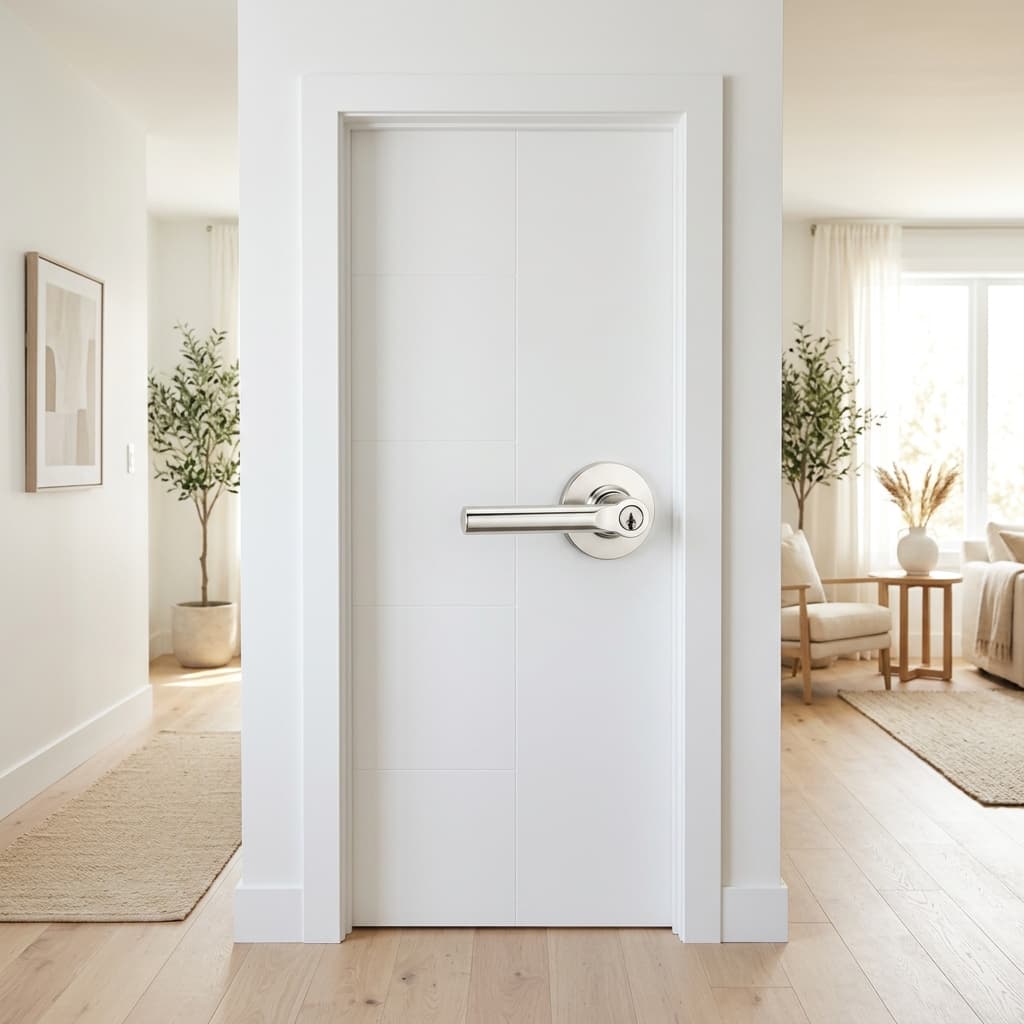
You walk through a doorway and your hand hits a sticky or greasy knob. The door frame shows a collection of fingerprints, scuffs, and that gray film that builds up at hand height. In the kitchen the cabinet pulls feel tacky. These high-touch spots get used constantly and cleaned rarely, so they quietly make the whole house look less cared for.
A focused door frames, knobs, and handles reset clears the grime, removes the sticky residue, and brightens the frames so entryways and rooms feel sharper. You can do most of it with a simple natural wipe. For scuffs on durable painted frames, a lightly damp melamine sponge (the “magic eraser” type) works well when used carefully. The whole job for an average home takes 20–40 minutes and delivers an outsized visual improvement.
Why These Surfaces Get So Dirty
Door knobs, lever handles, and the surrounding frames are touched dozens of times a day. Skin oils, cooking grease, lotion, and dust create a sticky layer. In humid weather the residue holds more dirt. Painted door jambs collect scuffs from shoes, bags, pets, and general traffic. Kitchen cabinet hardware suffers the most from food residue and repeated hand contact.
Because these surfaces are vertical and often detailed, regular dusting or floor mopping never reaches them. The result is a dull, slightly grimy first impression every time someone enters a room.
What You’ll Need
- Microfiber cloths
- Mild dish soap
- Warm water
- White vinegar (optional)
- Soft toothbrush or small brush
- Melamine sponge (for scuffs on tested painted surfaces)
- Dry cloth for buffing
- Optional: baking soda for stubborn spots
Avoid abrasive powders, steel wool, and undiluted harsh cleaners that can scratch metal or dull finishes.
Natural Wipe Method for Knobs, Handles & Frames
This is the safest starting point for almost every material.
1. Dust first
Wipe or lightly vacuum loose dust from the door frame, jamb, and hardware so you’re not turning dry dirt into mud.
2. Mix a gentle solution
Add a few drops of mild dish soap to a bowl of warm water. For extra grease-cutting power on kitchen handles or sticky residue, mix equal parts white vinegar and water in a spray bottle or second bowl. Test vinegar on a hidden spot if the finish is delicate or unlacquered brass.
3. Wipe the hardware
Dip a microfiber cloth in the soapy water, wring it well so it’s damp, not dripping, and wipe the entire knob or handle. Include the backplate, lever, and any crevices. Use the toothbrush for grooves, the underside of levers, and the area where the handle meets the door.
For very sticky kitchen pulls, hold the damp cloth against the worst spots for 30–60 seconds to soften the residue before wiping.
4. Clean the door frames and jambs
Work from top to bottom. Wipe the vertical jambs, the header, and the stop molding. Pay special attention to the hand-height zone and the lower section that gets kicked or scuffed. A second cloth dampened with plain water removes any soap residue.
5. Dry everything thoroughly
Buff metal hardware with a dry microfiber cloth to prevent water spots and restore shine. Dry the painted frames so moisture doesn’t sit on the surface or seep into joints.
Using a Melamine Sponge on Scuffs
Melamine sponges are excellent at removing scuff marks, pencil, crayon, and transferred dirt from many painted door frames and baseboards. They work by very fine abrasion, so they must be used with care.
Safe approach
- Wet the sponge and squeeze out excess water until it’s just damp.
- Test in an inconspicuous area (inside the jamb or low edge) and let it dry fully. Check for dulling or color change.
- If the test looks good, use light pressure and short strokes only on the scuff itself.
- Wipe the area afterward with a clean damp cloth and dry.
When to skip the melamine sponge
Avoid it on high-gloss paint, delicate or chalky finishes, unfinished wood, and some metal finishes if it dulls the surface. If the test patch shows any change in sheen, switch to the soap-and-water method only.
What Most People Get Wrong
The most common mistake is attacking painted frames with a dry or aggressive melamine sponge. That can remove paint or leave shiny patches. Always wet it, use light pressure, and test first.
Another frequent error is leaving metal handles wet. Water spots and mineral deposits form quickly, especially on chrome, nickel, and stainless steel. Drying is not optional.
People also clean only the front of the knob and ignore the backplate, the underside of the lever, and the strike plate area on the frame. Those spots collect just as much grime. Finally, many wait until the residue is thick and sticky instead of doing a quick weekly wipe of the highest-touch doors.
Room-by-Room Notes
Entry and hallway doors
Focus on fingerprints and outdoor grime. These create the first impression of the home.
Kitchen
Expect heavier grease. Dish soap is your friend. Clean cabinet pulls and the fridge or pantry door handles at the same time.
Bathrooms
Residue from lotion, hair products, and moisture is common. A vinegar solution helps cut the film; dry thoroughly to discourage any mildew.
Interior doors
Mostly fingerprints and scuffs at hand and pet height. The natural wipe plus careful melamine use on frames is usually enough.
Keeping Them Cleaner Longer
- Wipe high-traffic knobs and handles once a week with a damp microfiber cloth.
- Clean kitchen hardware more often if you cook daily.
- Address scuffs on frames as soon as you notice them—fresh marks come off easier.
- After washing hands or cooking, avoid grabbing handles with greasy or lotion-covered hands when possible.
- A quick dry buff on metal handles after cleaning keeps them looking finished.
These small habits reduce how often you need a full reset.
Realistic Time and Results
An average home with 8–12 doors and the main cabinet hardware can be reset in 20–40 minutes once you have a rhythm. The difference is immediate: shiny or clean hardware, brighter frames, and no sticky feeling when you open a door. Sticky residue and visible scuffs are what make spaces feel neglected; removing them elevates the whole room.
FAQ: Cleaning Door Hardware & Frames
What is the safest way to clean door knobs and handles?
Warm water with a few drops of mild dish soap and a soft microfiber cloth. Dry thoroughly afterward. This works on most metal, plastic, and painted finishes without damage.
Can I use a melamine sponge (Magic Eraser) on door frames?
Yes on many durable painted frames for scuff marks, but only after testing a hidden spot. Use it damp with light pressure. Avoid high-gloss paint and delicate finishes—it can dull or remove paint.
How do I remove sticky residue from kitchen cabinet handles?
Soak a cloth in warm soapy water and hold it against the sticky areas to soften the grease, then wipe. A soft toothbrush helps in crevices. For stubborn spots, a baking soda paste can be used gently, then rinsed and dried.
How often should door handles and frames be cleaned?
High-traffic doors benefit from a quick wipe weekly. A fuller reset every 4–6 weeks (or monthly in busy households) keeps grime from building up. Clean immediately if someone is sick.
Will vinegar damage door hardware?
Diluted vinegar is fine on many metals and helps cut grease and fingerprints. Test first on unlacquered brass, specialty finishes, or antique hardware. Always rinse or wipe with plain water and dry.
Why do my door knobs get sticky again so fast?
Skin oils, cooking residue, and humidity rebuild the film quickly on high-touch surfaces. Regular light wiping and thorough drying after deeper cleans slow the return of the sticky layer.
Related Articles
- High-Touch Surfaces Weekly Cleaning Reset
- Kitchen Cabinet Fronts & Handles Reset
- Baseboards & Floor Edges Reset
- 15-Minute Sticky Floor Summer Reset
- Weekend Living Room Surfaces Reset
Sticky knobs and scuffed door frames are small details that have a big effect on how clean a home feels. A simple natural wipe for the hardware plus careful use of a melamine sponge on tested painted frames clears the grime and restores a finished look in less than an hour.
Start with the front door and the kitchen handles this week. When those high-touch pieces look and feel clean, the improvement carries through the rest of the house.
Which doors in your home get the stickiest or most scuffed—the front entry, the kitchen, or the bathrooms? Tell me in the comments what your biggest trouble spot is. You’ve got this.
Related Posts
More in Home Organization →
Under-Furniture Dust Reset for Cleaner Rooms
Dust under furniture making rooms feel smaller? This under-furniture dust reset clears the mess without moving heavy pieces so spaces look bigger.
Washing Machine Deep Clean for Musty Smells
Musty smells ruining your laundry? This washing machine deep clean removes buildup, cleans the gasket, and stops odors with a tablet or natural method.
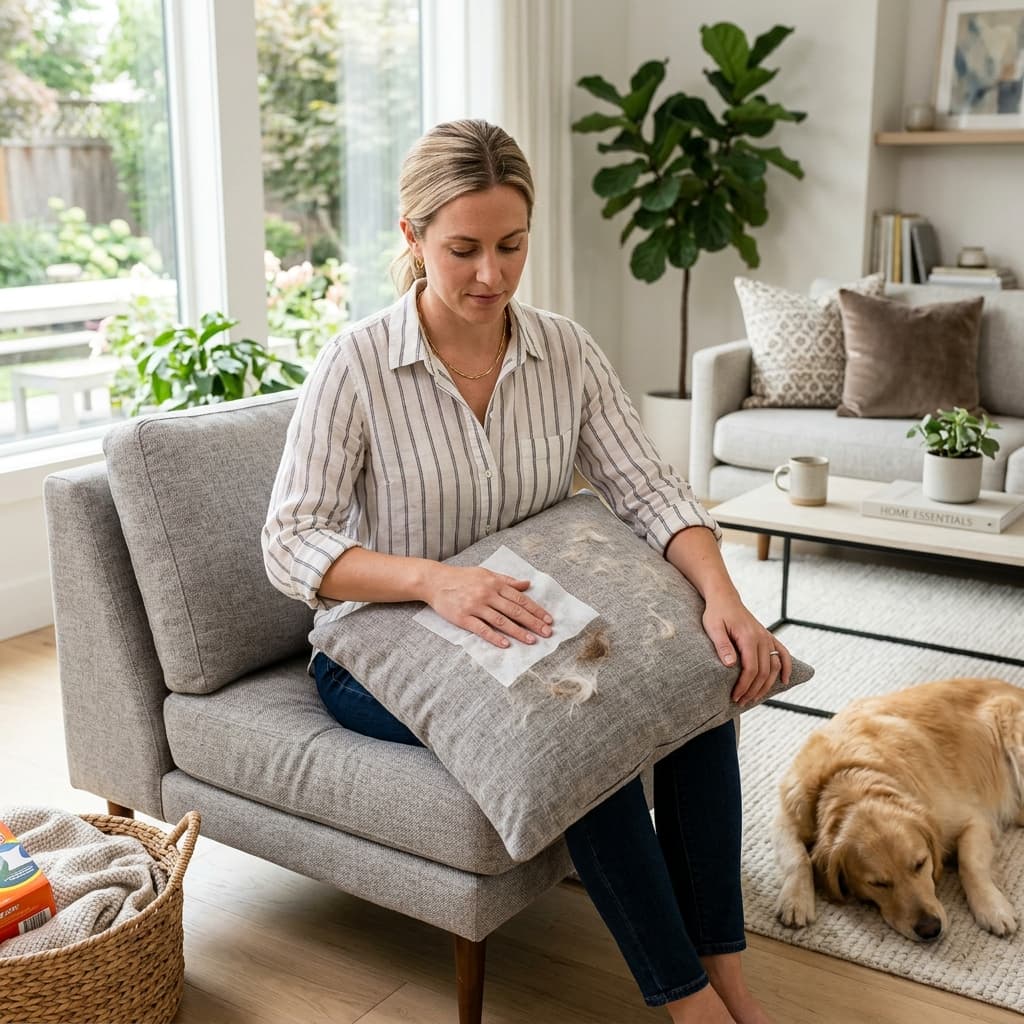
Pet Hair Removal with Dryer Sheets (No Vacuum Needed)
Pet hair covering your furniture and carpets? This simple dryer sheet method lifts fur fast without a vacuum—perfect for quick cleanups between deeper sessions.