12 Cheap Ways to Cool Down Your House Without AC
Staring at that sky-high summer electric bill? Here are 12 practical ways to cool your house without blasting the AC and still stay comfortable.
That moment when your electric bill lands in the mailbox and you do a double-take? Yeah, I’ve been there. Summer heat sneaks up, the AC runs nonstop, and suddenly you’re wondering how you’ll pay for it all. The good news is you can fight back without turning your home into a meat locker or spending a fortune. These cheap ways to cool down your house focus on smart habits, free tricks, and low-cost upgrades that actually work.
Many homeowners slash their cooling costs by 20-30% just by changing a few daily routines. Let’s walk through 12 effective strategies, starting with the completely free ones and moving toward small investments that pay off fast.
Free and Instant Habits That Make a Difference
1. Time Your Windows Right
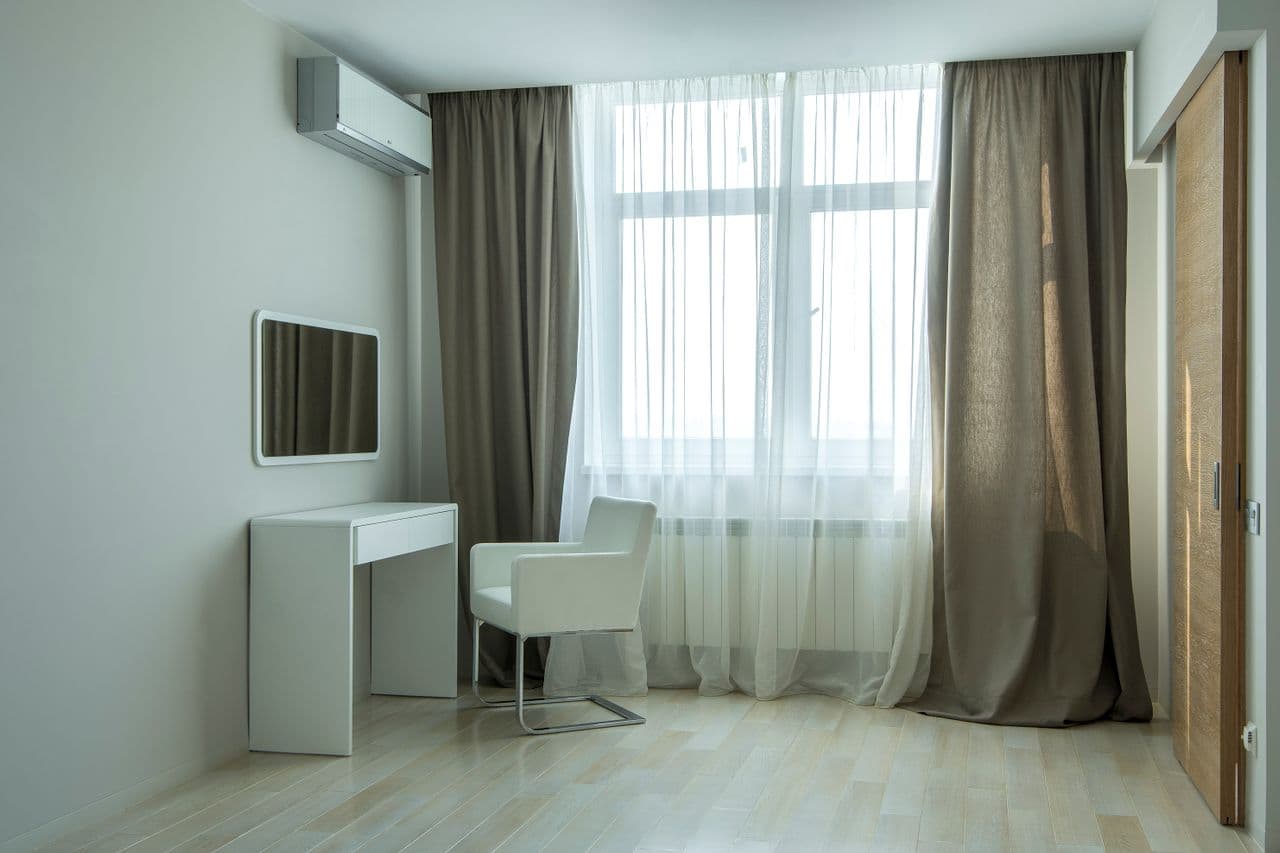
Open windows and doors in the early morning and evening when the outside air is cooler. Close them tight (along with curtains) during the hottest part of the day. This simple window timing trick traps cooler air inside and blocks the midday heat. It’s one of the easiest cool house without AC moves that costs nothing.
2. Use Ceiling Fans the Smart Way
Set ceiling fans to counterclockwise in summer—they push air down and create a wind-chill effect that makes rooms feel 4–8 degrees cooler. Turn them off when you leave the room; they don’t actually lower the temperature, just make it feel better. This alone helps you raise your thermostat a few degrees comfortably.
 Photo by Brad Chapman on Unsplash
3. Close Blinds and Curtains Strategically
During peak sun hours, close south- and west-facing curtains or blinds. Blackout curtains or even reflective ones block solar heat gain big time. Studies show this can keep indoor temps several degrees lower without any equipment.
4. Skip the Oven and Stove When Possible
Cooking indoors adds heat and humidity. Grill outside, use the microwave, or prep no-cook meals like salads and sandwiches on hot days. Every little bit helps when you’re trying to reduce electric bill summer.
5. Unplug Heat-Producing Electronics
Chargers, computers, TVs, and lamps generate surprising amounts of heat. Unplug what you can or use power strips to cut them off completely when not in use. This also saves on phantom energy use.
Clever Low-Cost Tricks
6. The Box Fan Window Trick
Place a box fan in a window blowing outward at night to pull hot air out and draw cooler air in from other windows. Facing it inward during the day (with other windows closed) circulates the cooler indoor air. It’s a classic hack that feels like magic on stuffy nights.

7. Frozen Water Bottles in Front of Fans
Fill plastic bottles with water, freeze them, and place them in front of a regular fan. As the ice melts, the fan blows cool air around the room. Swap them out as needed. This DIY air conditioner costs pennies and works surprisingly well in small spaces.
8. Create Cross-Breezes
Open windows on opposite sides of the house to encourage airflow. Use fans to amplify the effect. Even a slight breeze makes a big difference in perceived comfort and helps move stagnant hot air out.
9. Manage Humidity for Big Relief
High humidity makes heat feel worse. Run exhaust fans in bathrooms and kitchens during and after showers or cooking. A bowl of baking soda or rock salt in humid spots can absorb some moisture too. Lower humidity lets your body cool more effectively. For more on sticky summer air, see our guide on why your house is so humid in summer.
Small Investments That Pay Off Fast
10. Seal Drafts and Air Leaks
Weatherstrip doors and windows, and caulk gaps. Use door sweeps and outlet insulators. These small fixes stop hot air from sneaking in and cooled air from escaping. Many people notice a difference within days.
11. Improve Attic Ventilation
Hot air rises and gets trapped in attics, radiating heat downward. Add a solar-powered attic fan or ensure soffit and ridge vents are clear. Even a basic roof vent upgrade helps release that built-up heat before it cooks your upstairs.
 Photo by Mehmet Yasin Kabaklı on Pexels
12. Switch to LED Bulbs and Energy-Efficient Lighting
Incandescent bulbs throw off a lot of heat. Replace them with LEDs—they stay cool and use far less electricity. Combine this with task lighting so you’re not lighting up the whole room unnecessarily.
Smart AC Thermostat Settings That Actually Save Money
You don’t have to sweat it out to cut costs. The Department of Energy recommends setting your AC to 78°F when home and 85°F+ when away or sleeping. Every degree higher can save 2–3% on cooling costs. Use a programmable or smart thermostat to automate this—raise it automatically during the day and lower it before you get home. Ceiling fans let you feel comfortable at higher temps. Combine these habits and you’ll stay cool without the bill shock.
Frequently Asked Questions
Does closing curtains actually keep a house cooler?
Yes—especially dark or blackout curtains on sunny sides. They block heat from entering through windows, which is a major source of indoor warmth in summer.
What temperature should I set my AC to save money?
Aim for 78°F when you’re home. You can go higher when away. Fans and good airflow make it feel cooler than the number on the thermostat suggests.
Why is the upstairs hotter than downstairs?
Heat rises naturally. Poor attic insulation or ventilation makes it worse. Focus on attic solutions and close upstairs vents slightly during the day to push more cool air downstairs if needed.
Do box fans really help cool a house?
They move air effectively and work great with the window trick or frozen bottles. They don’t lower actual temperature much but dramatically improve comfort.
Can plants help cool a room?
Some houseplants improve air quality and provide a tiny evaporative cooling effect, but they’re not a main solution. Use them as part of an overall strategy.
How long until these tips actually lower my bill?
Many people see results in the very next cycle. Consistent habits add up to real savings by mid-summer.
Stay Cool and Save This Summer
You don’t need fancy gadgets or a new HVAC system to keep your home comfortable when the temperatures climb. A mix of smart habits and a few inexpensive upgrades can make a noticeable difference in both comfort and your wallet. Start with two or three tips that feel easiest for your house and build from there.
Your home should be your sanctuary, not a source of stress every time the AC kicks on. Try a few of these cheap ways to cool down your house and let me know in the comments which ones worked best for you. Here’s to cooler summers ahead!
Related Posts
More in Home Organization →
Door Frames, Knobs & Handles Full Reset
Sticky door knobs and scuffed frames looking dull? This door frames and handles reset uses a natural wipe or melamine sponge without damage.
Under-Furniture Dust Reset for Cleaner Rooms
Dust under furniture making rooms feel smaller? This under-furniture dust reset clears the mess without moving heavy pieces so spaces look bigger.
Washing Machine Deep Clean for Musty Smells
Musty smells ruining your laundry? This washing machine deep clean removes buildup, cleans the gasket, and stops odors with a tablet or natural method.