Kitchen Cabinet Organization: A Simple System That Works
If opening cabinets feels like a game of chance, try this simple kitchen cabinet organization system that makes cooking easier every day.
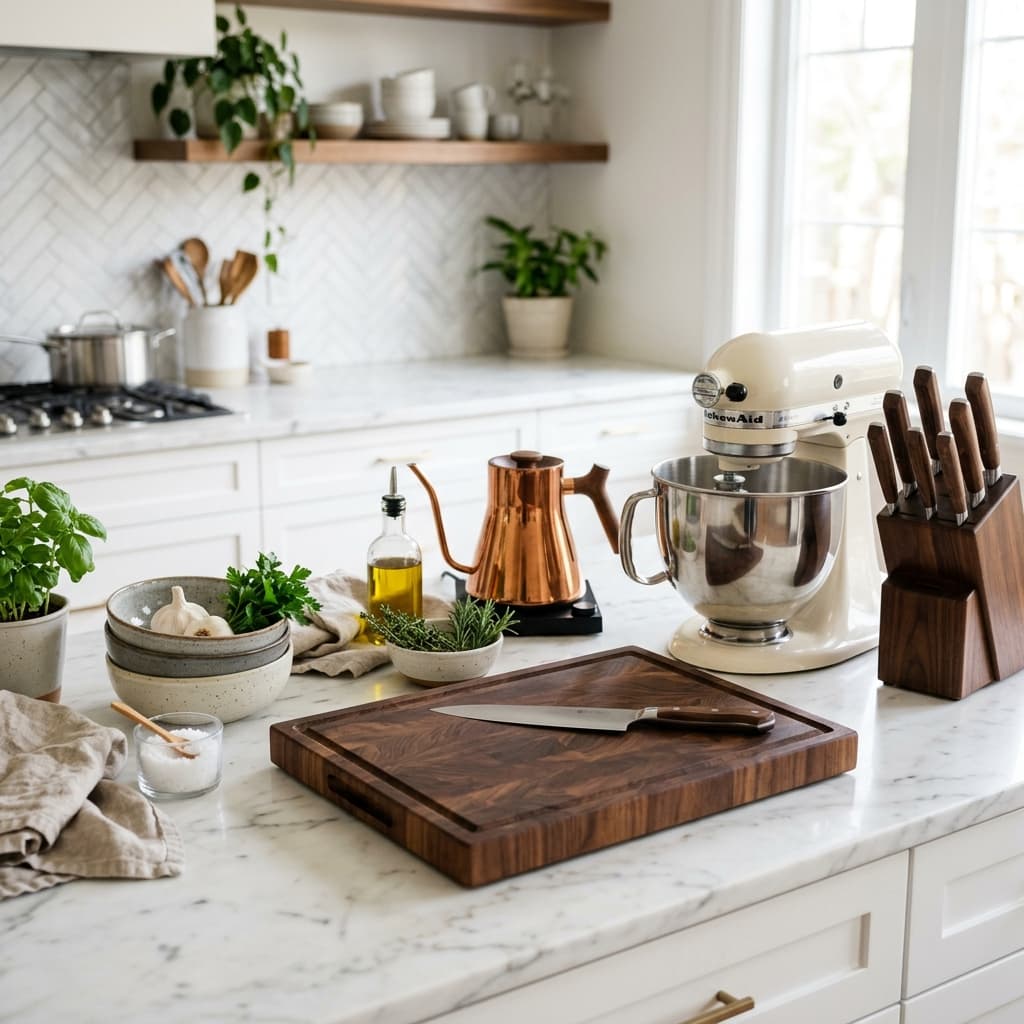
If opening your kitchen cabinets feels like playing a game of "What will fall out next?", you're not alone.
Most kitchens don't actually suffer from a lack of storage—they suffer from poor organization. Stacked containers, overcrowded shelves, hidden pantry items, and misplaced cookware waste time every single day. In fact, many homeowners buy duplicate ingredients simply because they can't see what they already have.
The good news? You don't need a complete kitchen renovation to transform your space. With a few smart organization strategies and the right storage solutions, you can create a kitchen that looks cleaner, functions better, and makes cooking genuinely enjoyable.
In this guide, you'll learn practical kitchen cabinet organization ideas that work for both small and large kitchens, along with a few storage products that can help maximize every inch of available space.
Why Kitchen Cabinet Organization Matters
An organized kitchen isn't just about aesthetics. A well-planned cabinet system helps you:
- Save time while cooking: No more searching through stacks of pots and pans.
- Reduce food waste: Keep ingredients visible so you use them before they expire.
- Keep countertops clutter-free: Store appliances inside cabinets instead of letting them take over work surfaces.
- Make cleaning easier: A designated place for everything means faster clean-up times.
- Lower stress: Cooking becomes far more relaxing when you aren't fighting clutter.
Step 1: Empty Everything First
Before buying organizers or rearranging shelves, empty every cabinet.
Create four piles:
- Keep: Items you use regularly.
- Donate: Items that are in good condition but haven't been used in over a year.
- Recycle: Recyclable packaging or old items.
- Trash: Broken or expired items.
Be honest with yourself. If you haven't used a kitchen gadget in over a year, chances are you don't need it. Once the cabinets are empty, wipe every shelf clean before putting anything back.
Step 2: Organize by Zones
Professional organizers recommend dividing your kitchen into functional zones.
- Cooking Zone: Pots, pans, cooking oils, spices, and utensils.
- Baking Zone: Mixing bowls, measuring cups, flour, sugar, and baking trays.
- Pantry Zone: Dry foods, snacks, canned goods, pasta, and rice.
- Cleaning Zone: Dish soap, trash bags, cleaning sprays, and towels.
Keeping similar items together eliminates unnecessary searching.
Step 3: Store Frequently Used Items at Eye Level
The easiest rule to follow:
- Everyday items: Store plates, bowls, glasses, and common ingredients at eye level.
- Heavy appliances: Store mixers, slow cookers, and heavy pots in lower cabinets.
- Seasonal items: Store holiday platters and rarely used gadgets on top shelves.
This simple adjustment makes daily cooking much more convenient.
Step 4: Use Vertical Storage
Most cabinets waste vertical space. Instead of stacking everything on top of each other, use:
- Shelf risers
- Stackable organizers
- Cabinet shelves
- Pull-out baskets
These allow you to utilize the full cabinet height instead of only the bottom half.
Step 5: Create a Dedicated Pantry Area
Many kitchens don't have a built-in pantry. If that's your situation, adding a freestanding pantry cabinet can dramatically improve organization.
A compact option like the 47” Pantry Cabinet with Adjustable Shelves fits well in smaller kitchens while providing multiple adjustable storage compartments for cookware, groceries, and small appliances. Its clean white finish also blends easily with modern or traditional interiors.
 Image courtesy of Amazon
Because the shelves are adjustable, you can customize the storage for everything from cereal boxes to larger kitchen appliances without wasting space.
Step 6: Group Similar Food Together
Instead of organizing by package size, organize by category.
For example:
- Breakfast
- Pasta & Grains
- Baking supplies
- Snacks
- Spices
- Coffee & Tea
- Canned foods
This makes grocery shopping easier because you'll immediately notice what's running low.
Step 7: Label Everything
Labels aren't just for Pinterest-worthy kitchens. They actually help maintain organization by ensuring everyone in the household knows exactly where items belong.
Label:
- Storage bins
- Pantry baskets
- Decanted containers
- Spice jars
Step 8: Maximize Small Kitchens
Small kitchens require smarter storage—not necessarily more cabinets. Tall pantry cabinets make excellent use of unused vertical wall space.
One practical choice is the AQY 61" Kitchen Pantry Cabinet. Its slim footprint, adjustable shelves, and durable steel construction provide generous storage without taking up excessive floor space. It's especially useful for storing dishes, groceries, and kitchen appliances in apartments or compact homes.
 Image courtesy of Amazon
Because the shelving is adjustable, you can easily reconfigure it as your storage needs change over time.
Step 9: Store Small Appliances Together
Instead of spreading appliances throughout the kitchen, dedicate one cabinet to:
- Blender
- Air fryer
- Mixer
- Coffee maker
- Toaster
Keeping them together reduces countertop clutter while making them easier to find.
Step 10: Don't Ignore Drawer Organization
Messy drawers can be just as frustrating as messy cabinets. Use dividers for:
- Cooking utensils
- Measuring spoons
- Knives
- Serving tools
- Food storage lids
Drawer organizers prevent items from becoming tangled and difficult to access.
Step 11: Make Use of Counter Space Wisely
If you have extra wall space, consider a pantry cabinet that also provides a functional work surface.
The HOSTACK 71" Large Pantry Cabinet with Charging Station offers multiple cabinets, deep drawers, a spacious countertop, and even built-in AC outlets and USB ports. This makes it ideal for creating a dedicated coffee station or appliance center while keeping cords neatly managed.
 Image courtesy of Amazon
For larger households, this type of storage solution can replace several smaller cabinets and help keep the kitchen organized without sacrificing accessibility.
Common Kitchen Organization Mistakes
Avoid these common habits:
- Overstuffing shelves
- Buying organizers before measuring cabinets
- Mixing unrelated items
- Ignoring vertical space
- Keeping expired pantry goods
- Storing heavy items on high shelves
- Leaving unused appliances on countertops
Easy Weekly Maintenance
Organization isn't a one-time project. Spend just 10 minutes each week to:
- Return misplaced items
- Throw away expired food
- Wipe cabinet shelves
- Restock commonly used ingredients
- Straighten pantry baskets
This simple habit keeps your kitchen organized year-round.
Final Thoughts
Kitchen cabinet organization doesn't require expensive renovations or custom cabinetry. The biggest improvements often come from creating logical storage zones, maximizing vertical space, and choosing storage solutions that fit your kitchen's size and lifestyle.
Whether you're organizing a compact apartment kitchen or a larger family space, the goal is the same: make every item easy to find, easy to reach, and easy to put away. A thoughtfully organized kitchen saves time, reduces clutter, and makes everyday cooking far more enjoyable.
If you need additional storage, freestanding pantry cabinets can be a practical upgrade. From the compact 47” Pantry Cabinet for smaller spaces, to the slim AQY 61" Pantry Cabinet, or the spacious HOSTACK 71" Pantry Cabinet with its built-in charging station, each option offers a different way to create a cleaner, more functional kitchen without a full remodel.
With a little planning and the right storage strategy, you'll spend less time searching through cabinets—and more time enjoying your kitchen.
Disclaimer: As an Amazon Associate, The Digital Growers earns from qualifying purchases. This means that if you click on one of the affiliate links in this article and make a purchase, we may receive a small commission at no extra cost to you. Read our full Affiliate Disclosure for more information.
Related Posts
More in Home Organization →
Door Frames, Knobs & Handles Full Reset
Sticky door knobs and scuffed frames looking dull? This door frames and handles reset uses a natural wipe or melamine sponge without damage.
Under-Furniture Dust Reset for Cleaner Rooms
Dust under furniture making rooms feel smaller? This under-furniture dust reset clears the mess without moving heavy pieces so spaces look bigger.
Washing Machine Deep Clean for Musty Smells
Musty smells ruining your laundry? This washing machine deep clean removes buildup, cleans the gasket, and stops odors with a tablet or natural method.