The Physics of Calacatta Viola Marble Alternatives
Calacatta Viola marble etches, scratches, and stains easily. Compare quartz, porcelain, and sintered stone for the luxury look with far less maintenance.
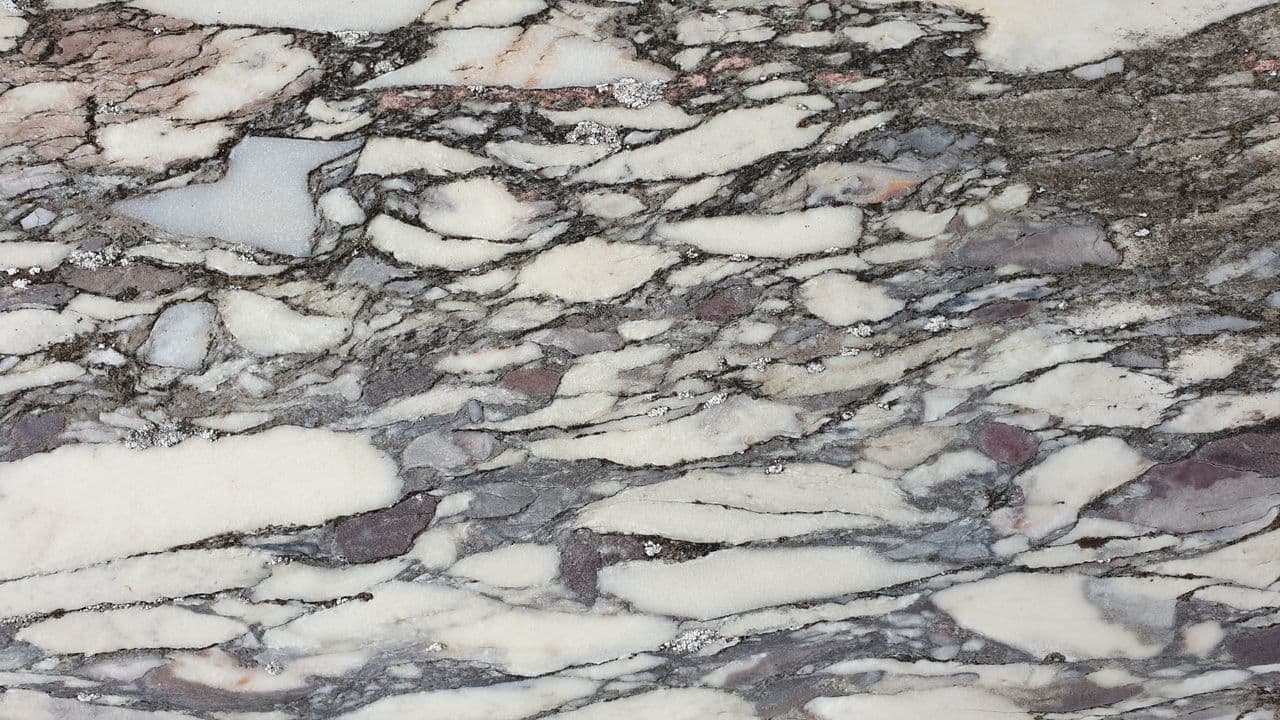
At first glance, Calacatta Viola marble is almost impossible to ignore. Its creamy white background, dramatic burgundy and violet veining, and completely unique patterns have made it one of the most coveted natural stones for luxury kitchens, bathrooms, and statement walls.
But many homeowners discover the hard truth after installation: beauty comes with real trade-offs.
Natural marble can etch from acids, stain from spills, scratch from daily use, and requires regular sealing. This leaves many asking the same question: Can you achieve that stunning Calacatta Viola look without the constant maintenance?
The answer is yes. Modern engineered materials now replicate the aesthetic so closely that most people can’t tell the difference—while offering dramatically better performance. Understanding the basic physics behind these materials helps explain why.
What Makes Calacatta Viola So Popular?
Calacatta Viola is a premium Italian marble celebrated for its bold wine-colored and burgundy veins against a bright white base. Because it’s a natural stone, every slab is one-of-a-kind, giving installations an exclusive, artistic quality. It elevates both modern minimalist and classic traditional interiors and carries strong resale appeal.
However, its natural properties make it more vulnerable in high-traffic homes.
The Science Behind Natural Marble
Marble forms when limestone undergoes intense heat and pressure deep in the Earth’s crust, recrystallizing into a material primarily composed of calcite. On the Mohs hardness scale, calcite is relatively soft (around 3), which explains why marble is prone to scratching, etching, and staining compared to harder engineered surfaces.
These aren’t flaws—they’re simply the natural physics of the stone.
Understanding the Physics of Surface Performance
When evaluating countertops or surfaces, four key scientific properties matter most:
- Hardness: Resistance to scratching. Marble’s calcite content makes it softer than quartz or porcelain. Everyday items like dishes, sand, or utensils can gradually dull the surface.
- Porosity: How easily liquids penetrate microscopic pores. Unsealed marble readily absorbs oils, wine, coffee, and sauces, leading to stains. Most engineered options are manufactured to be nearly non-porous.
- Chemical Resistance: Acids in lemon juice, vinegar, wine, and tomatoes react with calcite to cause “etching”—a dull spot that’s a permanent surface change, not just a stain. Quartz and porcelain resist these reactions far better.
- Thermal Stability: Materials expand and contract with temperature changes. Engineered stones are designed with consistent structures that handle thermal stress more evenly, reducing the risk of cracking.
Comparing the Best Calacatta Viola Alternatives
Modern manufacturing has advanced to the point where you can get the luxury marble look with far superior everyday performance. Here’s how the top options compare:
| Material | Composition | Top Benefits | Best Use Case |
|---|---|---|---|
| Engineered Quartz | Natural quartz + resins & pigments | Non-porous, stain-resistant, no sealing | Busy family kitchens, low maintenance |
| Porcelain Slabs | High-heat fired clay and minerals | UV-resistant, exceptional heat & scratch resistance | Sunlit kitchens, indoor/outdoor spaces |
| Sintered Stone | Minerals under extreme heat/pressure | Ultra-dense, highly impact resistant | Heavy-duty kitchens, premium builds |
| Quartzite | 100% natural stone | Harder than marble, authentic veining | Homeowners wanting real stone with better durability |
 Image generated by Antigravity AI
Design Tips for a Calacatta Viola-Inspired Space
Let the dramatic veining be the star. Keep surrounding elements simple:
- Warm white or light neutral cabinetry
- Light oak, walnut, or natural wood tones
- Matte black or brushed brass hardware
- Soft, neutral wall colors (greige, warm white, soft taupe)
This approach works beautifully in both contemporary and transitional homes.
Maintenance Tips for Any Surface
Good daily habits extend the life of any material:
- Wipe up spills immediately, especially dark or acidic liquids.
- Always use a cutting board.
- Place hot pans on trivets.
- Clean with manufacturer-recommended, non-abrasive cleaners.
Final Thoughts
Calacatta Viola marble remains one of the most beautiful natural stones available, but it isn’t the only way to achieve a luxurious look. By understanding the physics of hardness, porosity, chemical resistance, and thermal stability, you can choose a surface that matches both your aesthetic vision and your real-life lifestyle.
For those who value authenticity above all, natural marble offers unmatched character. For most homeowners seeking beauty with practicality, today’s engineered quartz, porcelain, and sintered stone deliver the dramatic Calacatta Viola aesthetic with significantly less worry.
Frequently Asked Questions
What is the closest engineered match to Calacatta Viola marble?
High-end engineered quartz and porcelain slabs currently offer the most realistic recreations. Advanced digital printing captures the creamy background and bold burgundy veining with remarkable accuracy.
Does engineered quartz etch like natural marble?
No. Etching is a chemical reaction specific to the calcite in natural marble. Quartz’s combination of minerals and resins makes it highly resistant to acids like lemon juice and vinegar.
Can I put hot pans directly on Calacatta Viola alternatives?
It depends. Porcelain and sintered stone handle high heat very well. Engineered quartz should always have a trivet—sudden extreme temperature changes can damage the resin binder.
Is porcelain more brittle than quartz?
Porcelain excels in scratch and heat resistance but can be more prone to edge chipping from blunt impacts. Quartz offers slightly more flexibility thanks to its resin content.
Do I need to seal quartz or porcelain countertops?
No. Both are manufactured to be non-porous and do not require periodic sealing like natural marble or quartzite.
Ready to bring that luxury marble look into your home without the headaches? The right alternative can give you the beauty you love—with the performance you actually need.
Related Posts
More in Home Organization →
Door Frames, Knobs & Handles Full Reset
Sticky door knobs and scuffed frames looking dull? This door frames and handles reset uses a natural wipe or melamine sponge without damage.
Under-Furniture Dust Reset for Cleaner Rooms
Dust under furniture making rooms feel smaller? This under-furniture dust reset clears the mess without moving heavy pieces so spaces look bigger.
Washing Machine Deep Clean for Musty Smells
Musty smells ruining your laundry? This washing machine deep clean removes buildup, cleans the gasket, and stops odors with a tablet or natural method.