Storm Season Home Checklist: Power Outage Prep That Works
Blackout leaving you scrambling in the dark? Use this storm season home checklist for power outage kit essentials, generator safety, and simple prep.
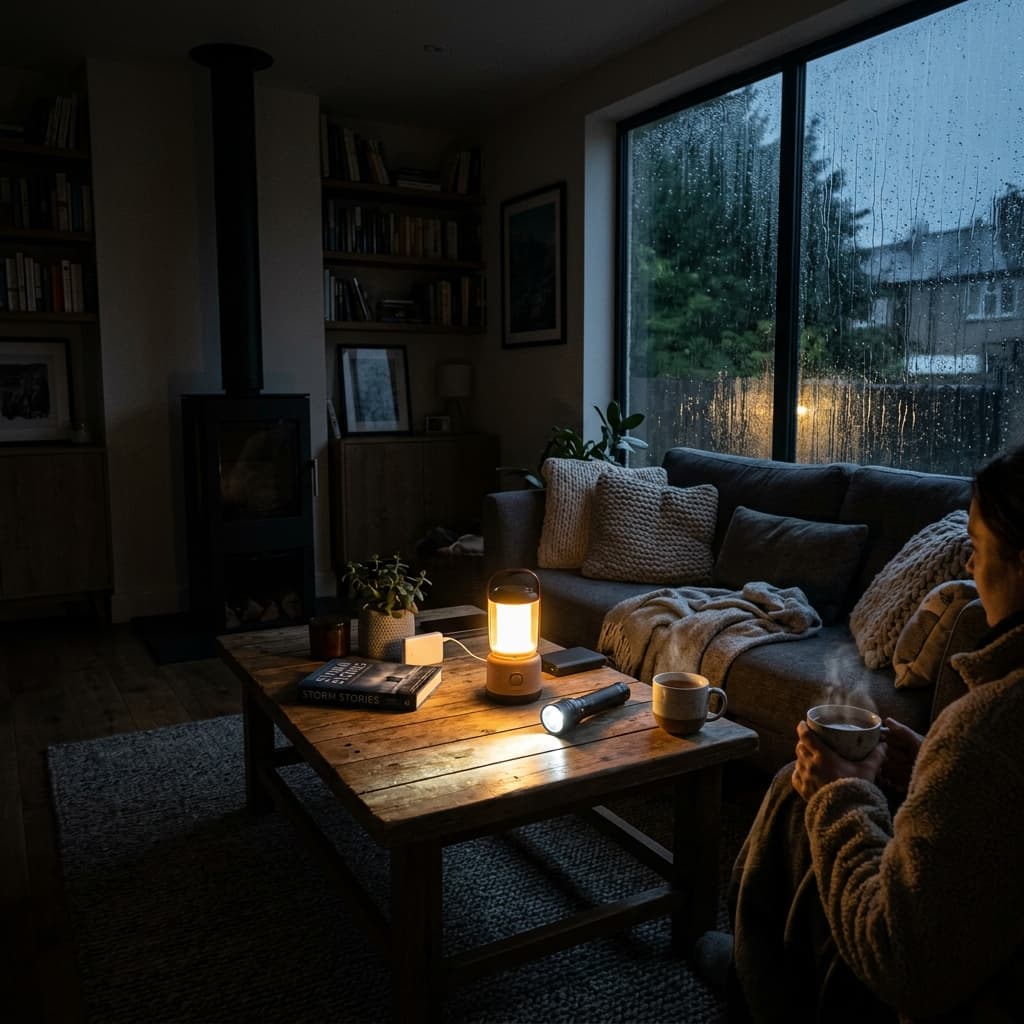
Picture this: You’re in the middle of making dinner, rain is lashing against the windows, and suddenly—click. Total darkness. The refrigerator hum stops. The Wi-Fi dies.
In those first few seconds, your brain scrambles. Where’s the flashlight? Are the kids’ phones charged? Do we have bottled water? Did I leave the garage door open?
We’ve all been there. Stumbling around in the dark using a dying phone to navigate a hallway full of toys is stressful. When your home lacks a basic emergency plan, outside chaos quickly fills your living room.
But it doesn’t have to be this way.
Being prepared for severe weather isn’t about bunkers or fear. It’s about simple, practical peace of mind. Whether you’re facing summer thunderstorms, winter blizzards, or hurricane season, a solid plan turns a stressful event into a manageable inconvenience.
In this guide, we’ll walk through a calm storm season home checklist, cover power outage kit essentials, and show you how to build a foolproof prep system without breaking the bank.
The Category-by-Category Storm Season Checklist
Don’t scatter supplies around the house. Build one centralized emergency kit in a plastic bin or dedicated closet—this is the backbone of power outage prep.
 Image generated by AI for The Digital Growers
1. Power & Communication (The Lifelines)
- LED Flashlights and Lanterns — Skip candles (fire hazard). Choose battery-powered LEDs that light up a whole room safely.
- Extra Batteries — Stock AA, AAA, and D sizes in a waterproof bag.
- High-Capacity Power Banks — At least two 20,000mAh units can recharge phones multiple times.
- Battery-Powered or Hand-Crank Radio — NOAA weather radio keeps you informed when cell service drops.
2. Food & Water (The Kitchen Prep)
- Bottled Water — One gallon per person per day for at least three days (plus pets).
- Ready-to-Eat Non-Perishables — Peanut butter, crackers, protein bars, canned soups, tuna.
- Manual Can Opener — Don’t get stuck with electric-only tools.
- Disposable Plates & Utensils — Saves water and hassle when the dishwasher is down.
3. Health & Safety (The Essentials)
- Fully Stocked First-Aid Kit — Bandages, antiseptic, gauze, etc.
- 7-Day Supply of Medications — Refill prescriptions early.
- Over-the-Counter Basics — Pain relievers, antacids, allergy meds.
- Sanitation Supplies — Hand sanitizer, baby wipes, heavy-duty trash bags.
4. Comfort & Sanity (The Family Savers)
- Warm Blankets & Sleeping Bags — Critical in winter outages.
- Board Games & Playing Cards — Old-school entertainment when screens die.
- Kids’ Comfort Items — Coloring books, small toys, or treats for storm anxiety.
5. Important Documents (The Grab-and-Go Folder)
- Waterproof Document Bag — Insurance policies, IDs, birth certificates, medical records.
- Emergency Cash — Small bills for gas, ice, or supplies when cards don’t work.
Generator Safety Basics: What Every Homeowner Should Know
Generators save the day but can be dangerous if misused.
- Never run a portable generator indoors, in a garage, or on a covered porch (deadly carbon monoxide risk).
- Follow the 20-foot rule: Keep it away from windows, doors, and vents.
- Let it cool before refueling.
- Use heavy-duty outdoor extension cords only. Never backfeed into wall outlets.
Budget-Friendly Prep: Building Your Kit Over Time
You don’t need to buy everything at once. Use the “One Extra” method:
- Grocery runs: Grab one extra gallon of water or a few cans of soup each trip.
- Dollar store: Stock first aid, can openers, cards, and wipes cheaply.
- Repurpose: An old duffel bag or laundry bin works great for storage.
What to Do During a Power Outage
- Keep refrigerator and freezer doors closed (4 hours for fridge, up to 48 for full freezer).
- Unplug sensitive electronics to protect from surges.
- Leave one light on to know when power returns.
- Turn off HVAC to avoid grid overload when power comes back.
If summer heat makes a blackout worse, pair this checklist with our tips on cheap ways to cool down your house without AC and reducing humidity in a sticky summer house.
Frequently Asked Questions
What should be in a power outage kit?
LED flashlights, batteries, power banks, manual can opener, 3-day non-perishables, water, first aid, radio, and important documents. Store everything in one easy-to-grab spot.
How long does food last in the fridge without power?
A closed refrigerator keeps food safe for about 4 hours. A full freezer holds for up to 48 hours (24 if half full). When in doubt, throw it out.
Do I need a generator for my house?
It depends. Essential if you have medical equipment, well water, or frequent long outages. For short blackouts, a good kit and power banks often suffice.
How much water should I store per person?
One gallon per person per day for at least three days, plus extra for pets and hygiene.
How do I prep a small apartment with no storage space?
Use under-bed bins, closet floor space, or low-profile containers. Focus on vertical and hidden storage. A tidy entryway drop zone also keeps flashlights and keys findable—see our 10-minute entryway reset.
Final Thoughts
Storms are unpredictable, but your response doesn’t have to be. Taking an hour this weekend to gather supplies and organize your kit will bring real peace of mind.
Instead of panic, you’ll have a plan. Start small—one extra gallon of water on your next grocery run—and build from there. Your home can be a safe, prepared sanctuary no matter what the weather brings.
You’ve got this!
Related Reads
- Why Is My House So Humid in Summer? — Manage summer humidity and keep air fresher
- Cheap Ways to Cool Down a House Without AC — Stay comfortable when the power is out in the heat
- 10-Minute Entryway Reset — Keep keys, flashlights, and grab-and-go items by the door
Related Posts
More in Home Organization →
Door Frames, Knobs & Handles Full Reset
Sticky door knobs and scuffed frames looking dull? This door frames and handles reset uses a natural wipe or melamine sponge without damage.

Under-Furniture Dust Reset for Cleaner Rooms
Dust under furniture making rooms feel smaller? This under-furniture dust reset clears the mess without moving heavy pieces so spaces look bigger.

Washing Machine Deep Clean for Musty Smells
Musty smells ruining your laundry? This washing machine deep clean removes buildup, cleans the gasket, and stops odors with a tablet or natural method.