Summer Fridge Organization to Stop Food Waste
Summer humidity turning your fridge into a science experiment? Use clear bins and zones to stop $40–$60 in monthly food waste.
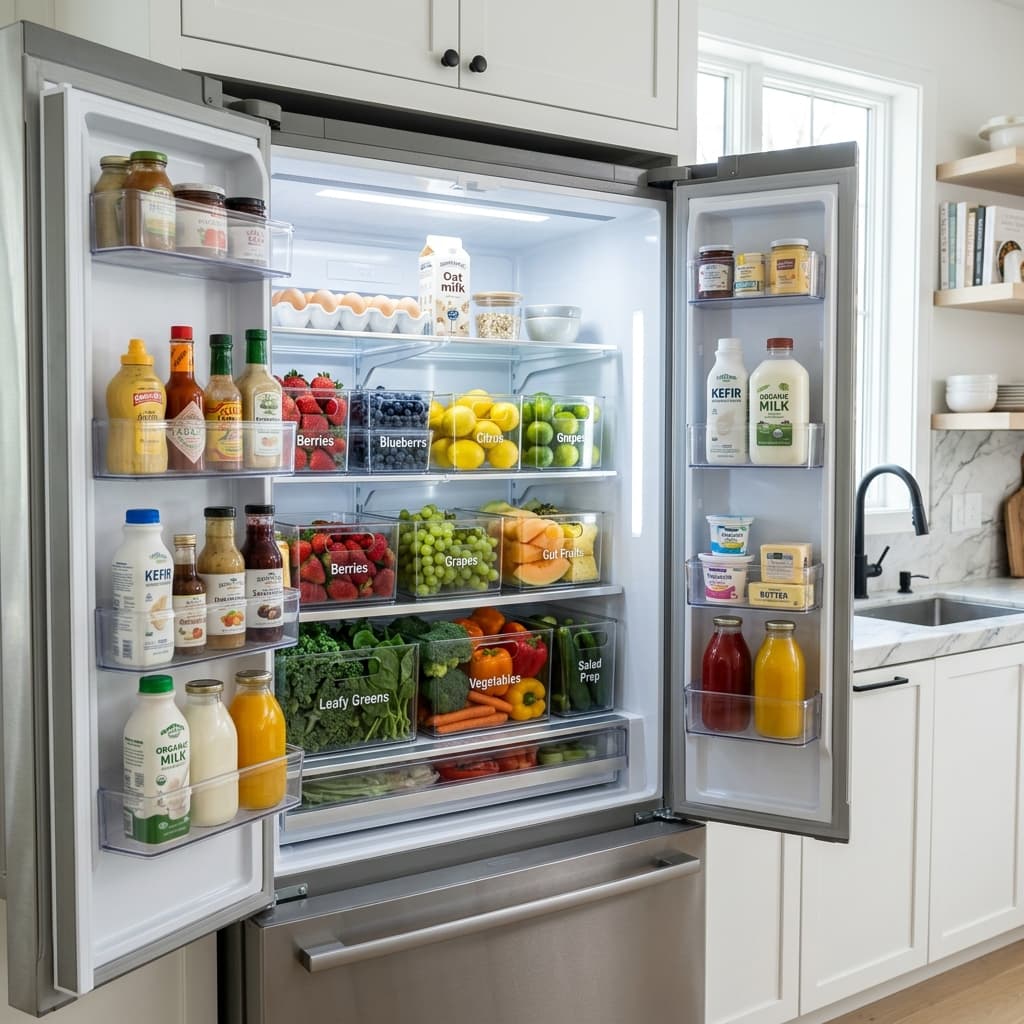
You open the fridge and a wave of cold, slightly sour air hits you. Leftover takeout from four days ago is pushed to the back. A bag of spinach has turned to sludge. Two half-used jars of the same sauce sit side by side. Meanwhile the freezer is a solid block of mystery containers and freezer-burned meat.
This is the average American fridge in July. The USDA estimates households waste hundreds of dollars of food every year, and summer makes it worse. Heat, humidity, more fresh produce, and busier schedules mean food spoils faster and gets lost easier. Most families quietly throw away $40–$60 a month without realizing it.
You don’t need a new fridge or a $200 organization system. A simple summer fridge organization method using clear bins and clear zones can cut that waste dramatically and make the whole appliance easier to live with. I’ve used this exact approach for years. It holds up in humid weather, takes about an hour to set up, and saves real money.
If humidity is the bigger battle in your kitchen, also check our summer humidity fixes and Japandi pantry organization for hot weather.
Why Summer Destroys Fridge Organization
Humidity is the silent villain. Every time you open the door in sticky weather, moist air rushes in. That moisture speeds up spoilage on produce, makes labels peel, and creates condensation that turns into sticky shelves. At the same time, we buy more berries, salad kits, and drinks, so the fridge gets overcrowded. Overcrowding blocks airflow and makes it harder to see what you already have—so you buy duplicates.
The freezer suffers too. Warm air from frequent opening causes frost buildup and freezer burn. Food gets buried and forgotten until it’s inedible.
The fix isn’t more willpower. It’s visibility and boundaries.
The Clear Bin + Zone Method
This system has two parts that work together: clear bins (so you can see everything) and strict zones (so everything has a logical home).
Step 1: Empty and Wipe (The Reset)
Take everything out of both the fridge and freezer. Yes, everything. Wipe the shelves, drawers, and walls with a solution of equal parts white vinegar and water. It cuts grime and helps with odors without leaving a soapy film. Leave the doors open for a few minutes while you work so moisture can escape.
Check every item. Toss anything expired, freezer-burned, or questionable. Be ruthless. This single edit often reveals $20–$30 of waste you didn’t know you were carrying.
Step 2: Create Fridge Zones
Assign every shelf and drawer a job. Here’s the layout that works best for most households:
- Top shelf: Ready-to-eat foods and leftovers
Use clear bins here. One for leftovers, one for drinks or yogurt. Keep this zone for things you’ll eat in the next 3–4 days. - Middle shelves: Dairy, eggs, and packaged foods
Milk and eggs usually do best on middle shelves where the temperature is most stable. Group cheeses and other dairy in a clear bin so they don’t get lost. - Lower shelves: Raw meat, poultry, and seafood
Always on the bottom so any drips stay contained. Use a dedicated clear bin or tray with a lip. - Crisper drawers: Split them
One drawer for fruits, one for vegetables. If your drawers have humidity controls, set the vegetable drawer higher and the fruit drawer lower. - Door: Condiments and drinks only
The door is the warmest part of the fridge. Stop storing milk or eggs here. Keep sauces, pickles, and small bottles in door bins so they don’t tip over.
This humidity-proof fridge organization keeps categories separated so produce isn’t sitting next to raw chicken and leftovers aren’t forgotten behind the ketchup.
Step 3: Clear Bins Are Non-Negotiable
Opaque containers hide food. Clear bins force you to see what you own.
Recommended setup:
- 2–3 large clear bins for leftovers and snacks
- 1–2 medium bins for cheese, deli meat, or kids’ items
- Small clear bins or turntables for jars and condiments
- One “Eat First” bin on the top shelf for anything approaching its date
You can find decent clear bins at Target, Walmart, Amazon, or even dollar stores. Measure your shelves first. Square and rectangular bins waste less space than round ones.
Label the bins if you have multiple people in the house. Simple painter’s tape and a marker work fine. The goal is a clear bin fridge system that anyone can maintain.
Step 4: Freezer Zones That Prevent Mystery Meat
Treat the freezer with the same respect.
Best freezer zones:
- Top section or door: frozen fruits, vegetables, bread, and ready-to-eat items
- Middle: meats and proteins (group by type—chicken, beef, fish)
- Bottom: bulk items and long-term storage
Use clear bins or baskets here too. Freezer bags work, but stand them up in a bin so you can flip through them like files. Label everything with the contents and date using a permanent marker. Freezer burn happens faster when food is half-open or poorly wrapped, so double-bag or use proper freezer containers.
A simple freezer organization zones system means you stop buying a third bag of frozen broccoli because you couldn’t find the first two.
Summer-Specific Rules That Save Money
- Keep an “Eat First” bin and check it every time you open the fridge.
- Store herbs like flowers—trim the stems and put them in a jar of water with a loose bag over the top.
- Don’t wash berries until you’re ready to eat them. Moisture speeds up mold.
- Freeze leftovers within 2 days if you won’t eat them.
- Keep a running list on the fridge of what needs to be used soon.
- Leave space between items so cold air can circulate. A packed fridge works harder and cools less evenly.
These habits are how you stop food waste summer after summer.
Realistic Cost and Savings
- Clear bins: $15–$35 depending on how many you need
- Vinegar and labels: a few dollars
- Time to set up: 45–75 minutes
Most families who stick with the system report noticeably less spoiled produce and fewer duplicate purchases within the first month. Saving $40–$60 a month is realistic once the “I forgot we had that” problem disappears.
Maintenance: The Weekly 5-Minute Fridge Reset
Once a week, usually before grocery shopping:
- Check the “Eat First” bin and plan meals around it
- Wipe any sticky spots
- Move older items to the front
- Toss anything that has gone bad
This short reset keeps the system from slowly collapsing under summer chaos. After a big fridge clean-out, a 15-minute sticky floor reset handles the mess that usually lands on the kitchen floor.
Common Mistakes That Create More Waste
- Buying beautiful matching bins but never assigning zones
- Putting the same food in three different places
- Ignoring the freezer until it’s a solid block of ice
- Storing ethylene-producing fruits (apples, bananas) next to sensitive vegetables
- Overfilling so you can’t see what’s in the back
Visibility and simple rules beat perfection every time.
Frequently Asked Questions
How do clear bins help with humidity?
They contain leaks and condensation, make it obvious when something is spoiling, and stop food from getting pushed to the back where it is forgotten. Clear bins are the backbone of practical humidity-proof fridge organization.
What size bins should I buy?
Measure your shelves first. Most people do well with a mix of 6–8 quart bins for leftovers and deeper bins that fit the width of the shelf. Leave a little room on the sides so air can move.
Can I do this without buying anything new?
Yes. Use any clear plastic containers you already own, large glass jars, or even sturdy clear storage boxes. The zones matter more than perfect matching bins.
How often should I deep-clean the fridge in summer?
A full empty-and-wipe every 4–6 weeks is plenty if you do the weekly 5-minute reset. Humidity makes spills turn sticky faster, so wipe small messes as they happen.
What’s the biggest food waste culprit in most fridges?
Produce and leftovers. Both disappear when you can’t see them or forget they exist. An “Eat First” bin and clear produce drawers solve most of that problem.
Should meat always go on the bottom shelf?
Yes. It prevents raw juices from dripping onto ready-to-eat food. Keep it in a clear bin or on a tray for easy cleanup.
Related Guides & Reading
- Japandi Pantry Organization for Hot Weather (30-Min Fix)
- 15-Minute Sticky Floor & Musty Smell Summer Reset
- Why Is My House So Humid in Summer? 7 Fixes That Work
- Summer Entryway Organization: $20 Command Center
- 10-Minute Summer House Reset Clean (Cooler & Calmer)
A messy, humid fridge quietly drains your grocery budget and adds stress every time you open the door. The clear bin and zone method fixes both problems without requiring a perfect, magazine-ready kitchen.
Set aside one hour this week. Empty it, wipe it, create the zones, and add a few clear bins. The next time you open the door you’ll see food you can actually use instead of science experiments.
How much food do you think you throw away most months? Be honest in the comments—I read them all and I’m happy to help you troubleshoot your specific fridge layout. You’ve got this.
Related Posts
More in Home Organization →
Door Frames, Knobs & Handles Full Reset
Sticky door knobs and scuffed frames looking dull? This door frames and handles reset uses a natural wipe or melamine sponge without damage.

Under-Furniture Dust Reset for Cleaner Rooms
Dust under furniture making rooms feel smaller? This under-furniture dust reset clears the mess without moving heavy pieces so spaces look bigger.
Washing Machine Deep Clean for Musty Smells
Musty smells ruining your laundry? This washing machine deep clean removes buildup, cleans the gasket, and stops odors with a tablet or natural method.