Japandi Pantry Organization for Hot Weather (30-Min Fix)
Sticky summer pantry chaos? This Japandi pantry organization system uses dollar store finds and natural materials to stop spoilage in under 30 minutes.
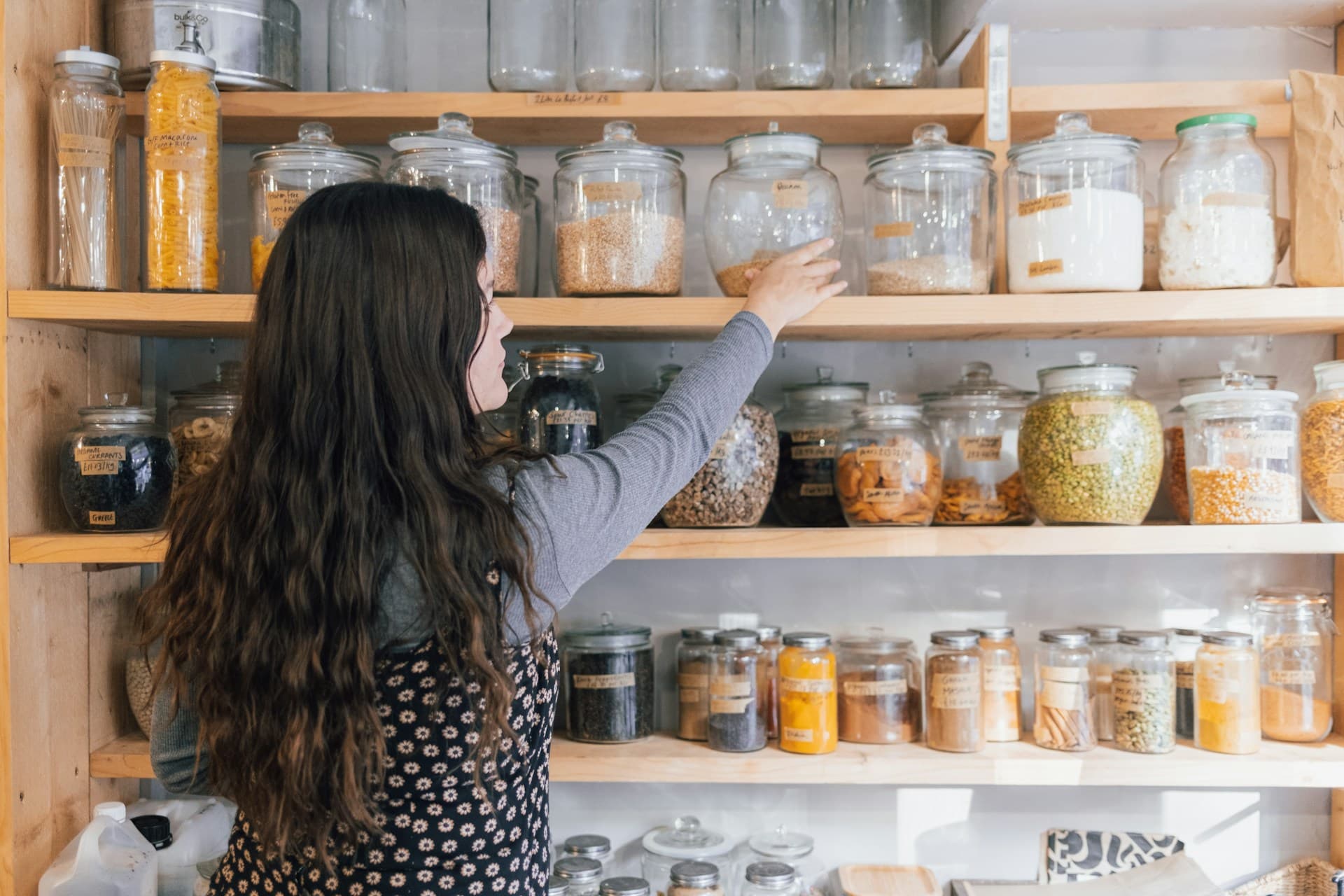
It’s 90 degrees outside, the humidity is climbing, and you open the pantry door. A half-crushed bag of chips tips over. Something in the back smells slightly off. Pasta boxes are stacked three deep, and you can’t find the rice without moving six other things. The whole space feels warm, sticky, and chaotic.
Summer heat and humidity turn pantries into problem zones fast. Moisture seeps in, dry goods clump, packaging softens, and clutter traps warm air that speeds up spoilage. You end up throwing food away and feeling irritated every time you cook.
You don’t need a full kitchen remodel or expensive custom bins to fix this. A simple Japandi pantry organization approach—clean Japanese minimalism mixed with warm Scandinavian function—can transform the space in under 30 minutes using mostly dollar store finds and natural materials. The result? A cooler-feeling, humidity-resistant pantry that stays calm and makes food last longer.
I’ve helped hundreds of homeowners do this exact reset. It works because it removes the visual noise and the moisture traps at the same time. Let’s get it done.
What Japandi Pantry Organization Actually Means (And Why It Works in Hot Weather)
Japandi is the blend of Japanese wabi-sabi simplicity and Scandinavian hygge practicality. In a pantry it looks like:
- Neutral, natural materials (wood, bamboo, linen, glass, ceramic)
- Clear surfaces and intentional grouping
- Everything has a home, but nothing feels sterile
- Breathable storage that doesn’t trap humidity
In hot weather this style shines. Plastic bins can hold moisture and create condensation. Closed opaque containers hide what’s expiring. Japandi favors open baskets, glass jars, and wood that let air circulate while still looking calm. The result is a humidity proof pantry that feels cooler and keeps food fresher.
The 30-Minute Japandi Pantry Reset
Set a timer. Work in this order. You can do the whole thing in one focused session.
Minutes 1–8: Empty and Ruthless Edit
Pull everything out. Yes, everything. Wipe the empty shelves with a 50/50 vinegar-water solution (it cuts grease and helps with any musty smell).
Now sort into three piles:
- Keep (things you use regularly and that aren’t expired)
- Relocate (items that belong in the fridge, freezer, or elsewhere)
- Toss or donate (expired, stale, or duplicates you won’t use)
Be honest. That half-used bag of specialty flour from two years ago? Gone. Summer is not the time for pantry dead weight.
Minutes 9–15: Group by Zone (The Japandi Way)
Instead of random stacking, create clear zones:
- Daily breakfast & coffee
- Cooking oils, vinegars, and spices
- Baking
- Snacks
- Canned & jarred goods
- Bulk dry goods (rice, pasta, beans)
This is core summer pantry organization. When everything has a logical home, you stop buying duplicates and you see what needs using before it spoils.
Minutes 16–25: Bring in Natural Materials + Dollar Store Heroes
Here’s where the look and function come together. You don’t need fancy containers.
Dollar store pantry hacks that look elevated:
- Clear or frosted plastic bins (or better, bamboo trays if available)
- Glass jars and bottles (repurpose pasta sauce jars)
- Woven baskets or seagrass bins
- Small wood crates or trays
- Linen or cotton napkins for lining baskets
- Simple wood or bamboo lazy susans
- Binder clips or wooden clothespins for bag closure
Natural material pantry favorites:
- Open woven baskets for potatoes, onions, and squash (they need air)
- Glass jars with wood or metal lids for flour, sugar, rice, oats
- Linen bags or cotton produce bags for bulk items
- Wood risers or small crates to create height and airflow
Transfer dry goods into glass or clear containers. Label simply with a paint pen or washi tape + marker. Keep labels clean and minimal—Japandi loves quiet text.
Place heavier items lower. Keep daily-use items at eye level. Leave a little empty space on each shelf. That breathing room is what makes the pantry feel calm instead of stuffed.
Minutes 26–30: Final Airflow and Cooling Touches
- Crack the pantry door for a few minutes if the kitchen is cooler, or run a small fan nearby while you work.
- Add a small bowl of baking soda or a charcoal odor absorber on a lower shelf.
- Make sure nothing is pushed tight against the back wall—leave a little gap for air.
- If you have a window nearby, keep heavy curtains or blinds closed during peak sun so the pantry wall doesn’t heat up.
Done. Close the door and look. The difference is immediate.
Hot Weather Food Storage Rules That Pair With Japandi Style
Even the prettiest pantry fails if food spoils. Follow these simple rules:
- Whole grains, nuts, and seeds go in the fridge or freezer during peak summer heat.
- Opened packages of crackers, cereal, and chips get sealed tight or moved to glass.
- Onions, garlic, and potatoes stay in breathable baskets—never sealed plastic.
- Check expiration dates every time you put something back.
- Keep a small “use first” basket at the front for anything approaching its date.
These hot weather food storage habits stop the waste that makes pantries feel frustrating.
Budget Shopping List (Under $40 Total If Starting From Scratch)
 Photo by cottonbro studio on Pexels
- 4–6 glass jars or bottles (dollar store or thrift)
- 3–4 woven or seagrass baskets
- 2 clear bins or bamboo trays
- Roll of washi tape + marker for labels
- Small wood riser or lazy Susan
- Baking soda box + small bowl
- Linen napkins or cloth scraps for lining
That’s enough to completely reset most standard pantries.
Maintenance: The 5-Minute Weekly Japandi Pantry Check
Once the system is set, keep it alive with a tiny weekly habit:
- Wipe one shelf
- Check the “use first” basket
- Straighten baskets and jars
- Toss anything past its prime
Do this while the coffee brews on Sunday and the pantry stays calm all summer.
Common Mistakes That Ruin Pantry Organization in Humid Weather
- Using only sealed plastic bins (they trap moisture)
- Overfilling shelves so air can’t move
- Ignoring the floor and top shelves (they get hottest or dampest)
- Buying matching containers before editing what you actually own
- Leaving open bags of flour, sugar, or snacks (humidity clumps them fast)
Avoid these and your Japandi pantry organization stays beautiful and functional.
Frequently Asked Questions
What makes Japandi different from regular pantry organization?
Japandi focuses on natural materials, calm neutrals, intentional empty space, and function that feels peaceful. Regular organization often just means more plastic bins. Japandi makes the space look and feel cooler and quieter.
Can I do this if my pantry is tiny or just a couple of cabinets?
Yes. The principles scale down perfectly. Use vertical space with risers, choose smaller baskets, and keep only what you use weekly. Small spaces actually look better with Japandi because less stuff is the goal.
Are dollar store baskets sturdy enough for a pantry?
Many are. Look for thicker woven ones or seagrass. Reinforce the bottom with a piece of cardboard or a linen napkin if needed. They hold up well for lightweight dry goods and produce.
How does this help with food spoilage in summer?
Better visibility means you use food before it expires. Breathable natural materials reduce moisture buildup. Grouping and labeling stop the “lost in the back” problem. Cooler-feeling storage slows degradation.
Do I need to buy all new containers?
No. Start with what you have—clean glass jars, existing baskets, even thrifted wood trays. Add dollar store pieces only where they solve a real problem.
How often should I fully reset the pantry in hot weather?
A full 30-minute reset once at the start of summer is enough for most people. Then do the 5-minute weekly check. If humidity is extreme, a mid-season refresh helps.
Related Guides & Reading
- 10-Minute Summer House Reset Clean (Cooler & Calmer)
- Why Is My House So Humid in the Summer? Causes and Easy Fixes
- 12 Cheap Ways to Cool Down Your House Without Cranking the AC
You don’t need a perfect Pinterest pantry or a big budget. You just need 30 focused minutes, some natural materials, and a willingness to edit. Do this once and every time you open the pantry door this summer you’ll feel a little calmer—and throw away a lot less food.
Grab a basket and a bottle of vinegar. Start with one shelf if 30 minutes feels like too much. You’ll be glad you did.
Which part of your pantry frustrates you most right now? Tell me in the comments—I read every one and I’m happy to help troubleshoot.
Related Posts
More in Kitchen & Dining →
How to Clean Refrigerator Door Seals (Stop Mold & Sticky Residue)
Sticky fridge door seals or mold in the folds? Clean refrigerator door gaskets in 15 minutes: remove residue, cut mold risk, and restore a tight seal.
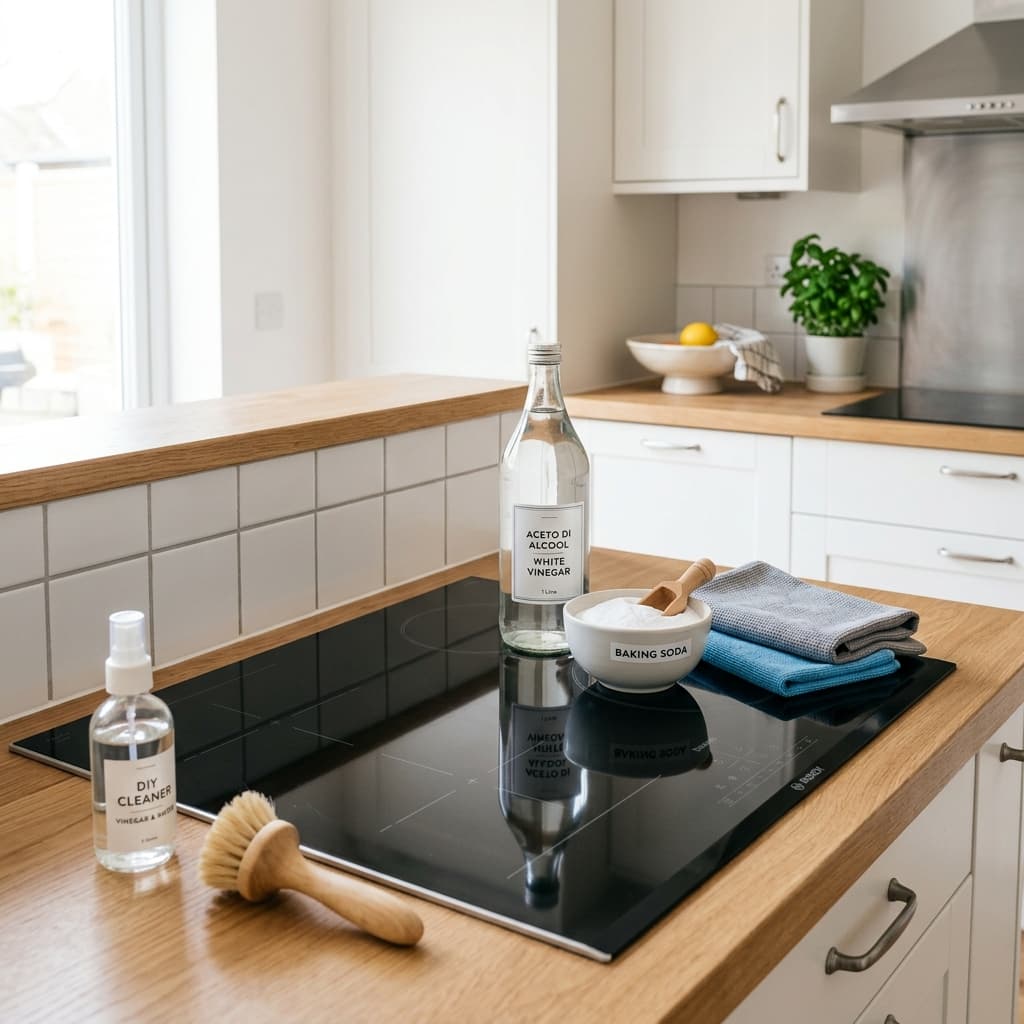
Stovetop Grease Reset with Baking Soda & Vinegar
Sticky summer grease on your stovetop? This baking soda and vinegar method loosens residue with almost no heavy scrubbing so your stove looks clean again fast.
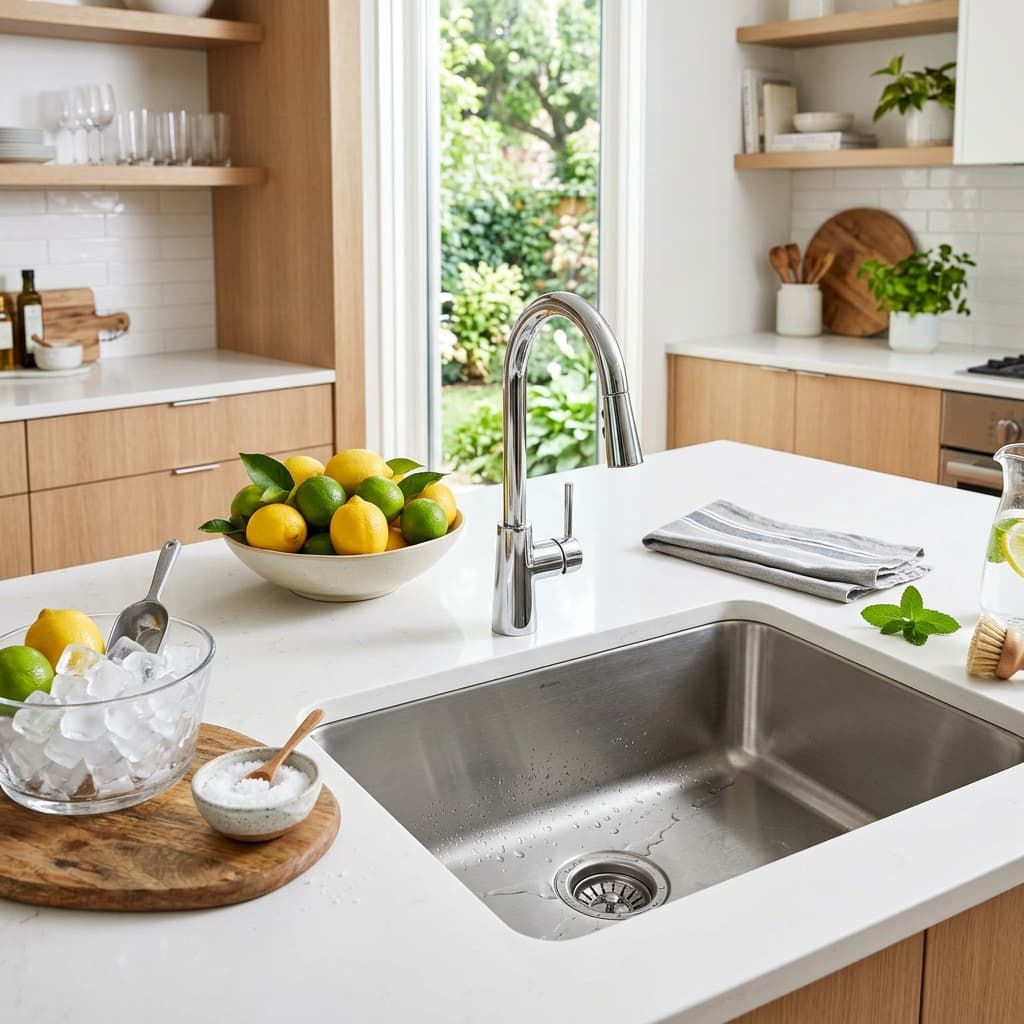
Garbage Disposal Refresh with Ice, Salt & Citrus
Summer heat making your garbage disposal smell? This ice, salt, and citrus refresh stops odors and cleans the blades in minutes without harsh chemicals.