15-Minute Kitchen Cabinet Fronts & Handles Reset
Sticky cabinet fronts and greasy handles this summer? This 15-minute kitchen cabinet fronts clean cuts grease with natural methods and restores a fresh look.
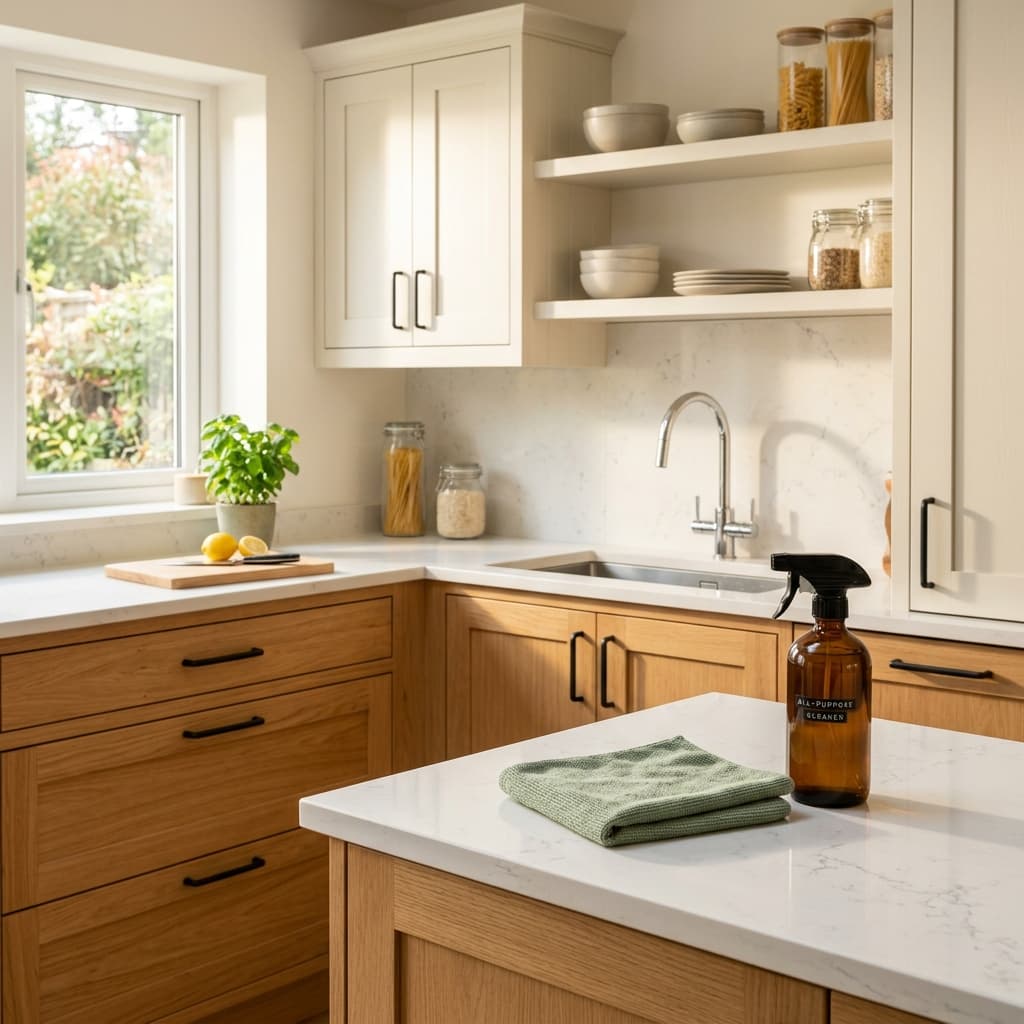
You walk into the kitchen and the cabinet doors nearest the stove look dull and slightly sticky. The handles are covered in fingerprints that seem to reappear the minute you wipe them. Even the upper cabinets have a light film from cooking vapors that never fully goes away.
Summer cooking makes this worse. Oils aerosolize more in the heat, humidity helps that film stick, and constant hand traffic leaves layers of fingerprints on every handle. Regular wiping with a damp cloth often just smears the residue around.
You don't need a full cabinet refinishing project or harsh chemical degreasers. A focused kitchen cabinet fronts clean takes about 15 minutes, uses simple natural ingredients, and removes the grease film and fingerprints that make the whole kitchen look older and dirtier than it is. I've used this exact method for years. It works on most common cabinet finishes and leaves them looking noticeably fresher.
For the sink zone next, use the 10-minute kitchen sink & countertop reset. If grease has hit the floor, pair this with a 15-minute sticky floor summer reset. For what's inside the cabinets, see our kitchen cabinet organization system.
Why Cabinet Fronts Get Greasy and Dull in Summer
Cooking oils become more volatile in hot weather. Tiny particles travel farther and settle on vertical surfaces—especially the cabinets closest to the stove and oven. Humidity then helps that thin oil film grab dust and fingerprints. Handles take the most abuse because every hand that opens a door leaves oil and residue behind.
Most all-purpose cleaners aren't strong enough to dissolve the film completely, or they leave their own residue that attracts more dirt. A method that cuts grease and evaporates cleanly is what actually restores the surface.
The 15-Minute Cabinet Fronts & Handles Reset
Set a timer. Work in sections if you have a large kitchen—start with the cabinets around the stove and sink first.
Minutes 1–3: Dry Dust and Prep
Wipe cabinet fronts and handles with a dry microfiber cloth to remove loose dust. This prevents muddy streaks once you add cleaner. Open a window or turn on the exhaust fan if you're working near the stove.
Have two clean microfiber cloths ready—one for cleaning and one for drying.
Minutes 4–9: The Vinegar Grease Cut
Mix equal parts white vinegar and warm water in a spray bottle. For heavier grease (common near the stove), add 2–3 drops of dish soap and swirl gently.
Lightly spray one cabinet door at a time. Don't soak it. Let the solution sit 20–30 seconds, then wipe with the microfiber cloth following the grain if you have wood cabinets. Flip the cloth frequently so you're not just moving grease around.
Pay special attention to the area around the handles and the top edges of upper cabinets where vapor settles. This vinegar cabinet cleaning step dissolves the light grease film that regular wiping leaves behind.
Minutes 10–12: Handles and High-Touch Spots
Handles collect the most fingerprints and skin oils. Spray the solution directly onto a cloth (not the handle if it's a finish you're unsure about) and wipe thoroughly. For textured or detailed handles, wrap the cloth around and twist to reach crevices.
If fingerprints are stubborn, make a light paste of baking soda and water. Apply with a fingertip or soft cloth, rub gently, then wipe clean with the vinegar solution. This combination is excellent when you need to remove fingerprints from cabinets without scratching.
Minutes 13–15: Final Wipe and Dry
Go back over each door with a clean section of cloth dampened only with water or plain vinegar solution to remove any remaining cleaner. Immediately dry with the second microfiber cloth. Water left on the surface can leave new spots, especially in humid weather.
Stand back and look. The cabinets should look clearer and less sticky. That's the goal of a good 15-minute cabinet reset.
Natural Solutions That Work on Most Finishes
Keep these on hand:
- White vinegar
- Mild dish soap
- Baking soda
- Microfiber cloths
- Spray bottle
Notes on finishes: Vinegar solution is safe for most sealed wood, laminate, painted, and thermofoil cabinets when used diluted and wiped dry. Avoid soaking unsealed wood or using abrasive scrubbing on high-gloss finishes. When in doubt, test a small hidden area first.
For very greasy cabinets, some people follow the vinegar pass with a tiny amount of olive oil on a cloth to restore slight sheen on wood—but use almost none and buff well so it doesn't attract dust.
Daily and Weekly Habits That Keep Cabinets Cleaner
Daily: Quick wipe of the handles and the cabinet doors closest to the stove with a damp microfiber cloth after cooking.
Weekly: Do the full 15-minute reset on the high-use zones (stove wall and sink wall). The rest of the kitchen can go longer between full cleans.
Monthly: Check the tops of upper cabinets and the sides of cabinets next to the fridge or wall—these spots collect dust and grease that get missed.
These habits stretch the results of the reset and prevent heavy buildup.
The Cabinet Cleaning Checklist
- [ ] Dry dust fronts and handles
- [ ] Spray vinegar solution (with optional drop of dish soap)
- [ ] Wipe doors systematically
- [ ] Detail handles and high-touch areas
- [ ] Treat stubborn spots with baking soda paste if needed
- [ ] Final clean wipe and thorough dry
Keep this list on your phone or inside a cabinet door.
Common Mistakes That Leave Cabinets Looking Dull
- Using too much water or cleaner so the finish stays wet
- Wiping with a dirty sponge or cloth that spreads grease
- Ignoring the handles while cleaning the flat doors
- Skipping the drying step in humid weather
- Reaching for heavy degreasers when a simple vinegar solution would do
Light, consistent cleaning beats occasional aggressive scrubbing.
This method won't remove years of baked-on grease or repair damaged finish. But for the everyday summer film and fingerprints most kitchens develop, it's fast, cheap, and effective.
Frequently Asked Questions
What is the best natural way to clean greasy cabinet fronts?
A diluted white vinegar solution (equal parts vinegar and water) with an optional drop of dish soap cuts light to moderate grease effectively. Wipe with microfiber and dry thoroughly. This is the core of a reliable kitchen cabinet fronts clean.
Are fingerprints harder to remove in summer?
Yes. Humidity and increased skin oil from heat make fingerprints more stubborn and more visible. Cleaning handles regularly and drying them after wiping prevents the layered buildup.
Is vinegar safe on painted or laminate cabinets?
Yes, when diluted and not left to sit for long periods. Always wipe dry. Avoid abrasive pads on painted or high-gloss laminate surfaces.
How often should I clean cabinet fronts in summer?
High-use cabinets near the stove benefit from a quick wipe every few days and a fuller reset every 1–2 weeks. Less-used cabinets can go longer.
Can I use this method on wood cabinets with a clear finish?
Yes, in most cases. Use light pressure, follow the grain, and dry immediately. If the finish is worn or unsealed, test a small area first or stick to a barely damp cloth.
What should I do about sticky residue that keeps coming back?
Make sure you're fully dissolving the old film and drying completely. Residue often returns when cleaner is left on the surface or when cooking oils are not being captured by the range hood. Run the hood while cooking and wipe nearby cabinets more often.
Related Guides & Reading
- 10-Minute Kitchen Sink & Countertop Reset
- High-Touch Surfaces Weekly Cleaning Reset
- Kitchen Cabinet Organization System
- Under-Sink Kitchen Organization Under $20
- Japandi Pantry Organization for Hot Weather
- 15-Minute Sticky Floor & Musty Smell Summer Reset
- 10-Minute Summer House Reset Clean (Cooler & Calmer)
Sticky cabinet fronts and fingerprint-covered handles make the whole kitchen feel less clean than it is. Fifteen minutes with vinegar, a couple of microfiber cloths, and a bit of focus can cut through the summer grease film and restore a clearer, fresher look.
Start with the cabinets around the stove—the ones that take the most abuse. Spray, wipe, detail the handles, and dry. When you finish, you'll see the difference every time you walk into the room.
Which cabinets in your kitchen get greasy or fingerprint-covered first? Tell me in the comments so I can help you prioritize the reset. You've got this.
Related Posts
More in Kitchen & Dining →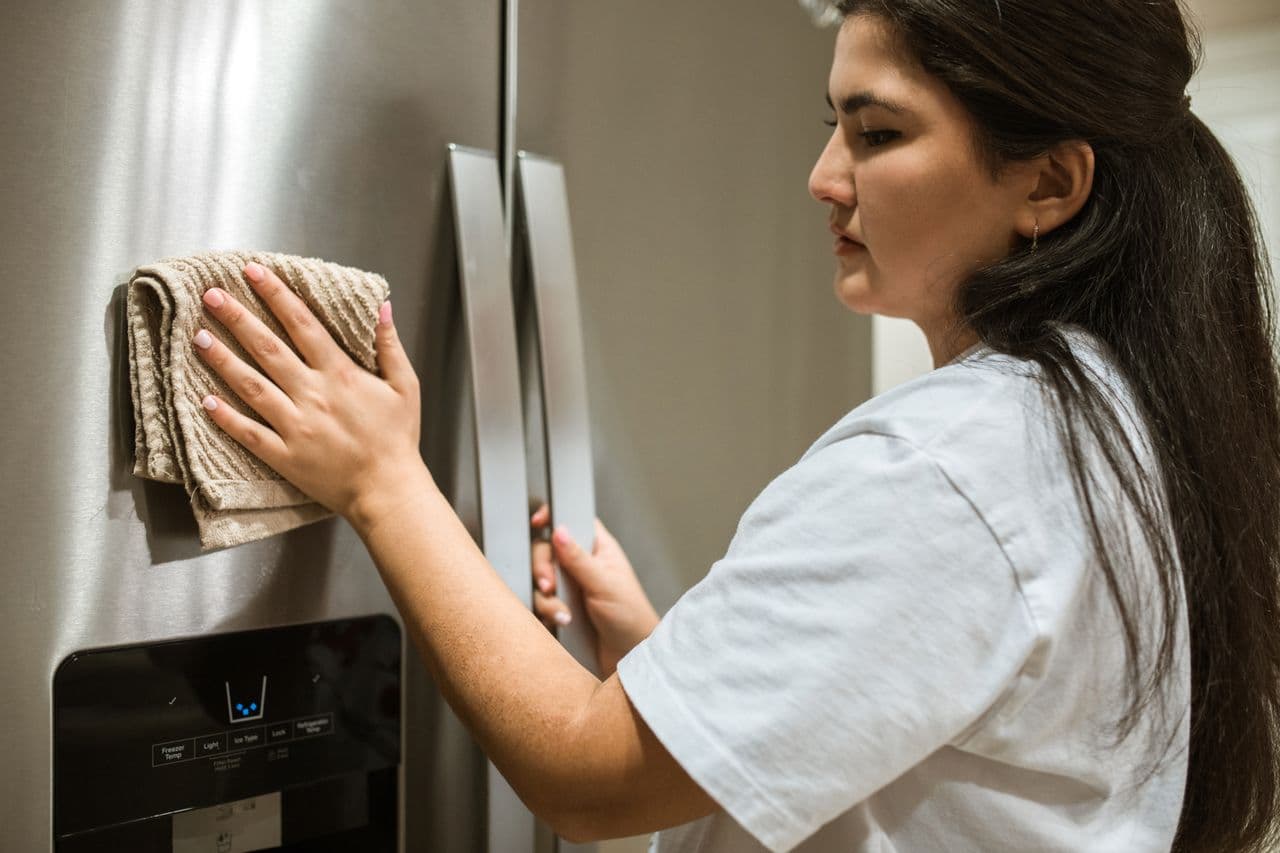
How to Clean Refrigerator Door Seals (Stop Mold & Sticky Residue)
Sticky fridge door seals or mold in the folds? Clean refrigerator door gaskets in 15 minutes: remove residue, cut mold risk, and restore a tight seal.
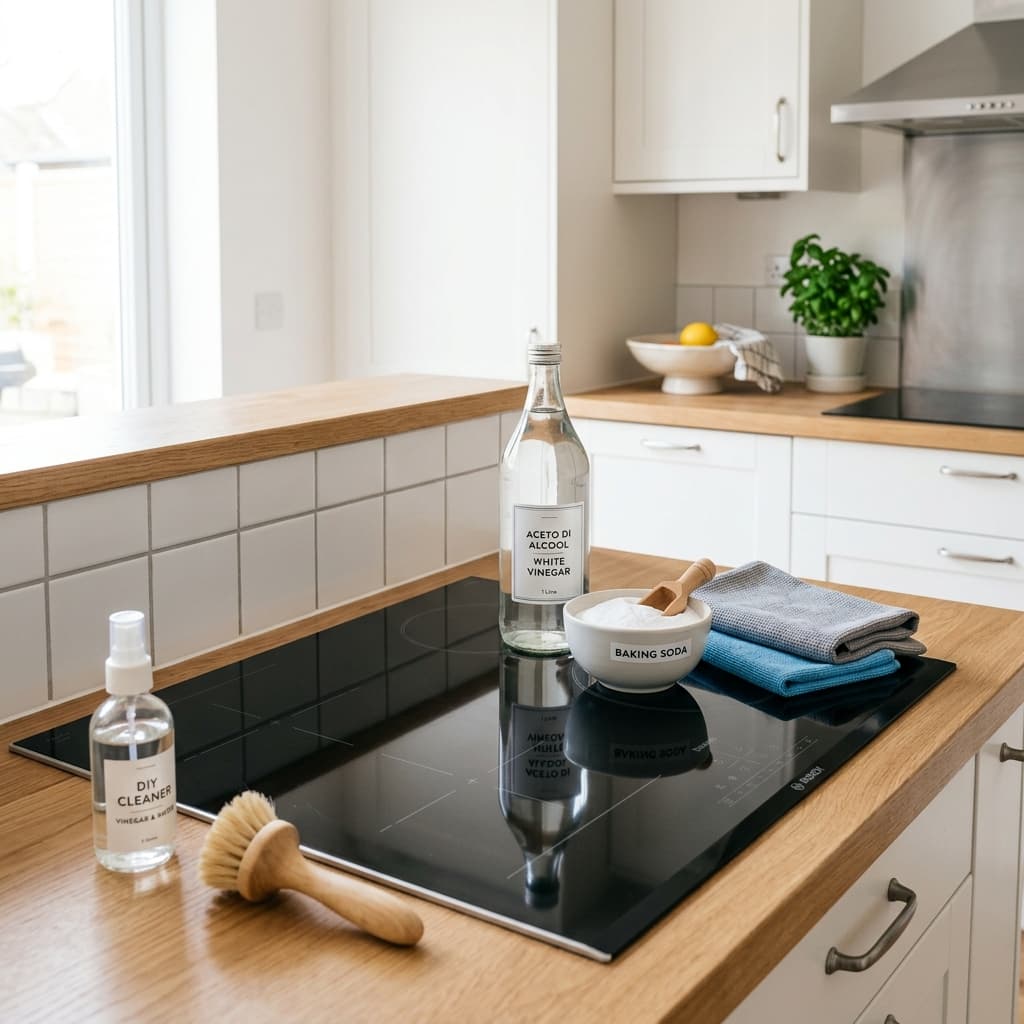
Stovetop Grease Reset with Baking Soda & Vinegar
Sticky summer grease on your stovetop? This baking soda and vinegar method loosens residue with almost no heavy scrubbing so your stove looks clean again fast.
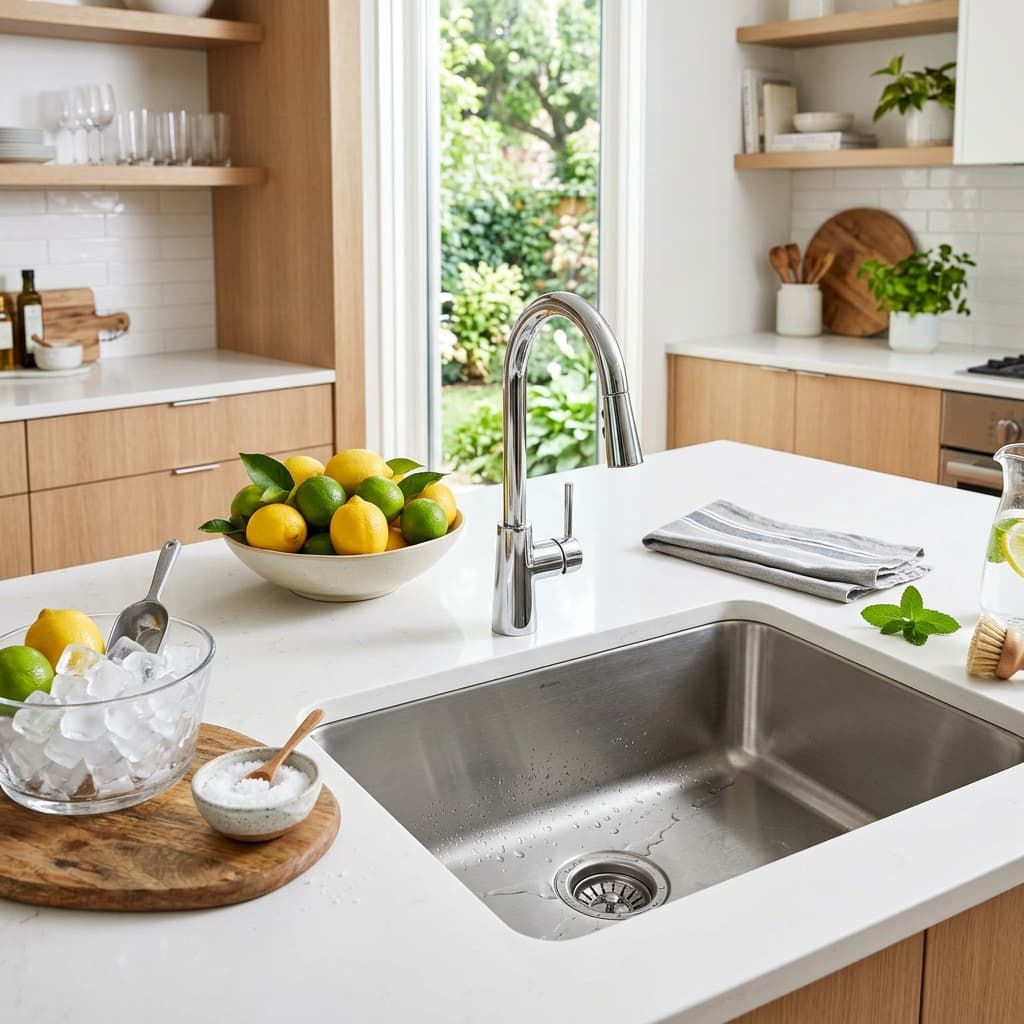
Garbage Disposal Refresh with Ice, Salt & Citrus
Summer heat making your garbage disposal smell? This ice, salt, and citrus refresh stops odors and cleans the blades in minutes without harsh chemicals.