Garbage Disposal Refresh with Ice, Salt & Citrus
Summer heat making your garbage disposal smell? This ice, salt, and citrus refresh stops odors and cleans the blades in minutes without harsh chemicals.

You run the kitchen faucet and catch a sour, slightly rotten smell rising from the drain. It’s not the trash can this time. It’s the garbage disposal. In summer the odor shows up faster, lingers longer, and makes the whole sink area feel less clean no matter how often you wipe the counters.
Food particles, grease film, and bacteria build up on the grinding components and especially under the rubber splash guard. Heat speeds everything up. The good news is you don’t need special cleaners or a plumbing call for a basic refresh. A handful of ice, some coarse salt, and a few citrus peels can scrub the interior and knock out most everyday odors in under five minutes.
This method has been recommended by cleaning pros and appliance techs for years because it works mechanically and naturally. Here’s exactly how to do it, what most people miss, and how to keep the smell from coming right back.
Why Garbage Disposals Get Smelly in Summer
Every time you use the disposal, tiny bits of food and grease get thrown against the chamber walls and the underside of the rubber baffle. In cooler weather the buildup stays manageable. In summer the higher kitchen temperatures and humidity help bacteria grow faster and turn that residue into noticeable odor.
The splash guard (the black rubber flaps you push food through) is usually the biggest culprit. Its underside almost never gets cleaned, yet it’s constantly wet and coated with debris. Most “just run some lemon peels” advice skips this spot, which is why the smell returns so quickly.
The Ice, Salt & Citrus Method That Actually Works
What You Need
- 1–2 cups of ice cubes (older freezer ice works fine)
- ½ to 1 cup coarse salt (rock salt, kosher salt, or sea salt — table salt is less effective)
- Citrus peels or wedges (lemon, lime, or orange)
- Cold water
- An old toothbrush or bottle brush for the splash guard
Step-by-Step Refresh
-
Turn off the power if you’re nervous about reaching near the opening, or simply be careful. Never put your hand into the disposal.
-
Clean the splash guard first. Flip the rubber flaps up and scrub the underside with a brush and a bit of dish soap or vinegar. This single step removes a large source of odor that the ice method can’t fully reach. Rinse well.
-
Add the ice and salt. Drop the ice cubes into the disposal, then pour the coarse salt on top.
-
Run cold water and the disposal. Turn on a steady stream of cold water, then switch on the disposal. Let it grind until the loud ice-crushing noise stops (usually 15–30 seconds). Keep the water running the whole time.
-
Add the citrus. Toss in a few peels or small wedges one at a time while the disposal and cold water are still running. The oils and acid help deodorize and cut light grease film.
-
Flush thoroughly. Continue running cold water for another 30–60 seconds after everything is ground up. This flushes the loosened debris down the drain line.
The ice acts like small scouring pads that knock residue off the chamber and impellers. The salt adds mild abrasion. The citrus leaves a clean scent instead of a chemical one. The whole process is noisy but quick.
What Most People Get Wrong
Running lemon peels alone mainly masks odor for a short time. Without the mechanical cleaning from ice and salt, the actual buildup stays put. Skipping the splash guard is the other big miss — you can refresh the grinding chamber and still have smell coming from the rubber flaps.
Another common mistake is using hot water. Hot water melts the ice too fast and can liquefy grease so it coats the pipes further down instead of getting ground up and flushed. Always use cold water for this method.
Finally, some people treat this as a once-a-year deep clean. In summer it’s better as a weekly or every-other-week habit if you use the disposal regularly.
Extra Tips for Better Results and Longer Freshness
- Freeze lemon peels or small citrus pieces in ice cube trays ahead of time. You get the ice + citrus benefit in one step.
- After the ice-and-salt grind, you can follow with a baking soda and vinegar fizz (½ cup baking soda, then 1 cup vinegar) for extra deodorizing if the smell was especially strong. Let it sit 10 minutes, then flush with cold water.
- Run a strong stream of cold water for 10–15 seconds before and after every normal use. This simple habit prevents a lot of buildup.
- Avoid putting grease, oil, coffee grounds in large amounts, fibrous vegetables (celery, corn husks), expandable foods (rice, pasta), or non-food items down the disposal. These are the main causes of chronic odor and clogs.
- If your disposal has a clean button or auto-reverse feature, check the manual — some models benefit from occasional reverse operation, but the ice method still helps.
How Often to Do This in Summer
Once a week is ideal during hot, humid months if you cook frequently. Every two weeks is usually enough for lighter use. You’ll know it’s time when you catch that familiar sour note rising from the drain.
This refresh is not a substitute for fixing a real clog or a dying disposal. If water drains slowly, the unit hums without grinding, or you hear metal-on-metal sounds, address those issues separately.
Realistic Expectations
The ice-salt-citrus method removes everyday residue and odor very effectively. It will not restore a heavily neglected disposal that has thick, hardened grease layers or damaged components. In those cases you may need a more thorough cleaning or professional service. For normal summer smell problems, though, it’s one of the fastest and cheapest fixes available.
FAQ: Garbage Disposal Cleaning & Odors
Does the ice and salt method really clean the disposal or just freshen it?
It does both. The ice and coarse salt physically scrape residue from the grinding chamber and impellers. Citrus adds deodorizing oils. Together they clean and freshen more effectively than peels alone.
Can I use table salt instead of rock or kosher salt?
You can, but coarse salt works better because the larger crystals provide more scrubbing action before they dissolve. Table salt is finer and less effective as an abrasive.
Is it safe to put ice in a garbage disposal?
Yes. Manufacturers and technicians commonly recommend it. The ice is soft enough not to damage the impellers and helps clean them. Always use cold water and don’t overload the chamber.
Why does my disposal still smell after using lemon peels?
Lemon peels mainly mask odor. If the splash guard underside and chamber walls still have buildup, the smell returns quickly. Clean the rubber flaps and use the ice-and-salt step for actual cleaning.
How often should I clean my garbage disposal in summer?
Weekly is a good target during hot weather if you use it daily. Bi-weekly works for lighter households. Consistent light maintenance prevents the heavy odors that need stronger intervention.
What should I never put down the garbage disposal?
Grease and oil, large amounts of coffee grounds, fibrous or stringy vegetables, expandable foods like rice and pasta, bones, and non-food items. These create clogs and persistent smells.
Related Articles
- 10-Minute Kitchen Sink & Countertop Reset
- Under-Sink Kitchen Organization Under $20
- Japandi Pantry Organization for Hot Weather
A smelly garbage disposal is one of those small summer problems that makes the whole kitchen feel less fresh. Five minutes with ice, coarse salt, and citrus peels (plus a quick scrub of the splash guard) usually knocks the odor out and cleans the parts you can’t easily reach.
Try the method this week the next time you notice that sour note from the drain. Once you see how straightforward it is, it’s easy to make it a regular habit.
Has your disposal been especially ripe this summer, or do you have another trick that works well? Tell me in the comments — I read them and I’m always looking for real-world tips that hold up. You’ve got this.
Related Posts
More in Kitchen & Dining →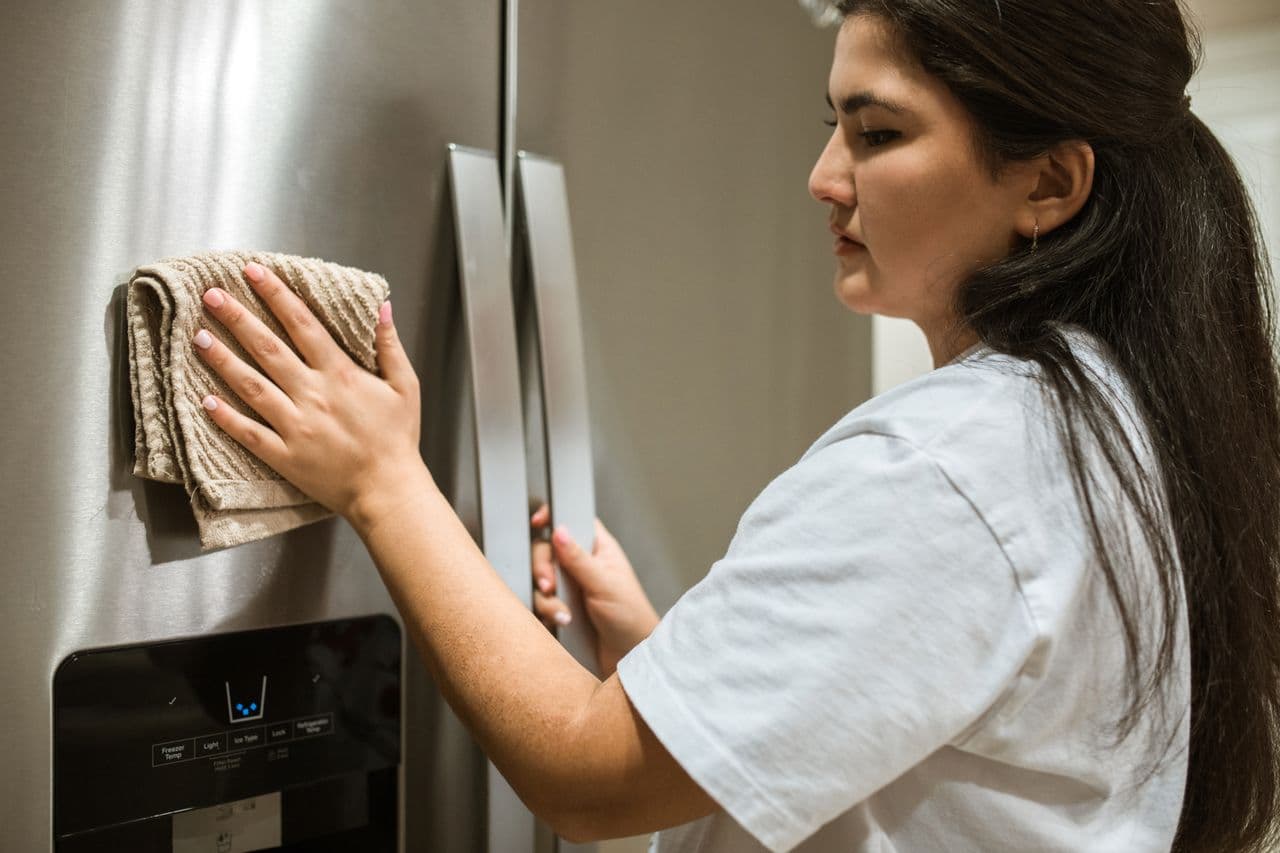
How to Clean Refrigerator Door Seals (Stop Mold & Sticky Residue)
Sticky fridge door seals or mold in the folds? Clean refrigerator door gaskets in 15 minutes: remove residue, cut mold risk, and restore a tight seal.
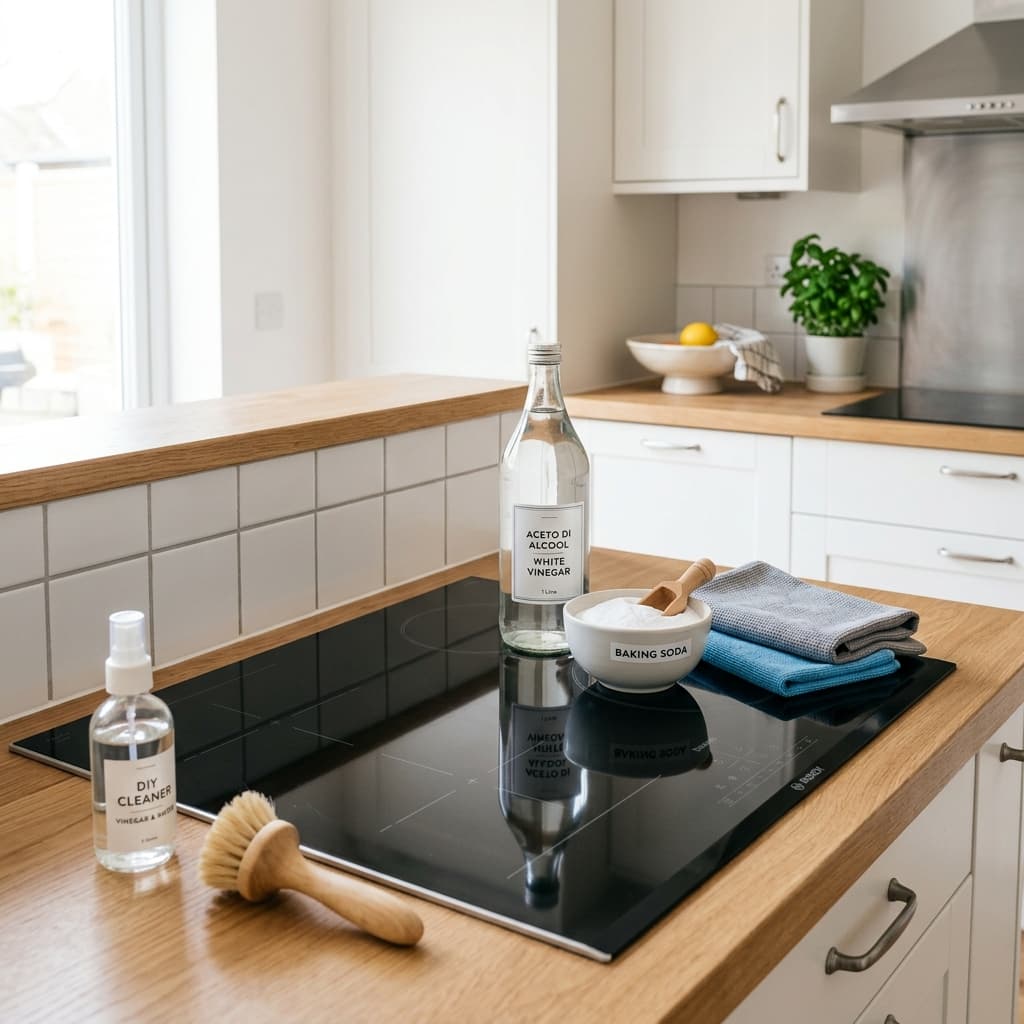
Stovetop Grease Reset with Baking Soda & Vinegar
Sticky summer grease on your stovetop? This baking soda and vinegar method loosens residue with almost no heavy scrubbing so your stove looks clean again fast.
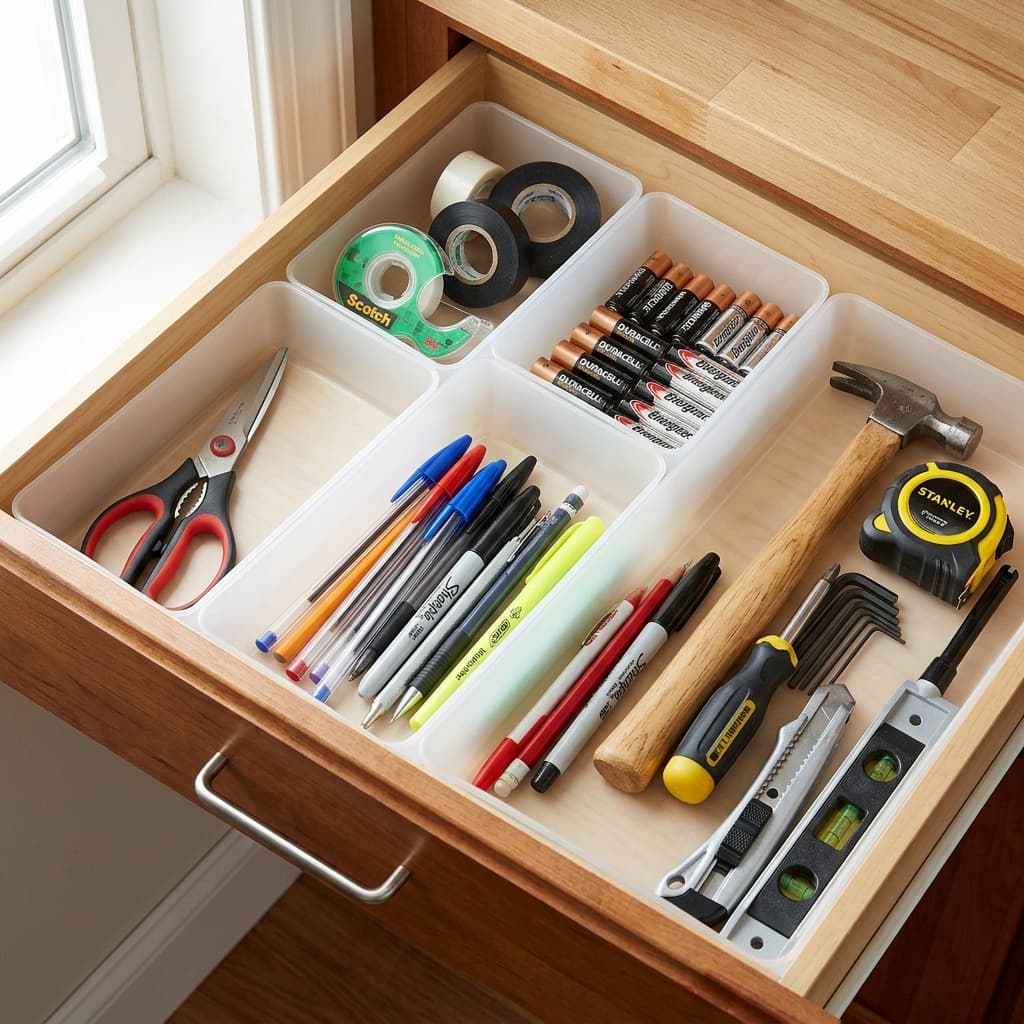
Kitchen Junk Drawer Organization (Under $10)
Tired of the chaotic kitchen junk drawer? This kitchen junk drawer organization system costs under $10 and stops daily clutter from building back up fast.