Stovetop Grease Reset with Baking Soda & Vinegar
Sticky summer grease on your stovetop? This baking soda and vinegar method loosens residue with almost no heavy scrubbing so your stove looks clean again fast.
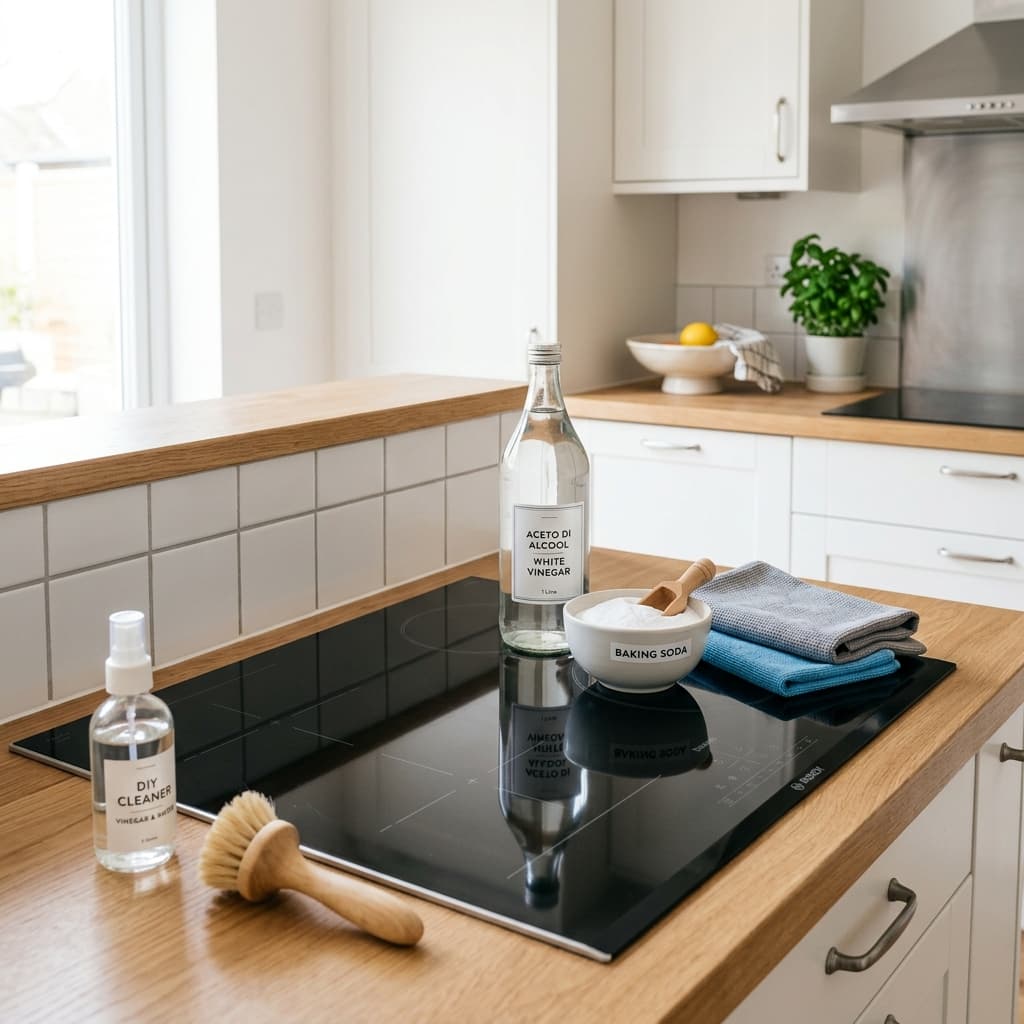
You wipe the stovetop after dinner and your cloth still comes away slightly greasy. By the end of the week the surface looks dull, the area around the burners feels tacky, and every spill seems to stick harder than it should. Summer heat and humidity make the problem worse—cooking oils thin out, travel farther, and set into a stubborn film.
Most people reach for a heavy degreaser or start scrubbing like they’re training for something. You don’t have to. A simple baking soda and vinegar approach, used the right way, softens grease so it lifts with light wiping instead of elbow grease. The key is dwell time and the order you apply things. Here’s the practical method that actually works on everyday buildup.
Why Stovetop Grease Gets So Stubborn in Summer
Heat makes oils more fluid while you’re cooking, so they splatter and spread. Once the surface cools, that thin layer traps dust and food particles. Humidity keeps everything slightly damp longer, which helps the film bond. Regular wiping with a damp cloth often just moves the grease around or leaves a hazy residue.
Gas stovetops collect more in the crevices and on grates. Glass and ceramic tops show every streak and fingerprint. In both cases the goal is the same: break the grease bond without scratching the finish or spending half an hour scrubbing.
The No-Heavy-Scrub Method
This version prioritizes softening the grease first so you do less mechanical work.
What You Need
- Baking soda
- White vinegar
- Dish soap (a grease-cutting one helps)
- Hot water
- Microfiber cloths or soft sponges
- An old towel or paper towels
- Optional: plastic scraper or non-scratch pad for really stuck spots
Step-by-Step Reset
-
Cool completely and clear the surface.
Never clean a hot or even warm stovetop with these methods—thermal shock can damage glass or ceramic. Remove grates, burner caps, and knobs if they come off easily. Wipe away loose crumbs with a dry or slightly damp cloth. -
Make and apply a baking soda paste.
Mix baking soda with just enough water (and a small squirt of dish soap) to form a thick paste. Spread it over the greasy areas, focusing on the zones around the burners and any visible film. The baking soda acts as a mild alkaline abrasive and the soap helps cut grease. Let it sit 10–15 minutes. For heavier buildup, 20 minutes is better. -
Add the vinegar step (optional but useful).
Lightly spray or drizzle white vinegar over the paste. It will fizz. The reaction is mostly visual and helps lift some residue, but the real cleaning power is still in the baking soda and soap. Immediately cover the area with a towel soaked in hot water and wrung out. The heat and moisture keep everything working and prevent the paste from drying. -
Wipe, don’t attack.
After the dwell time, remove the towel and wipe with a damp microfiber cloth or soft sponge. Most of the grease should come up with light pressure. Rinse the cloth often so you’re not spreading the dissolved grease. For any remaining spots, sprinkle a little dry baking soda on the cloth and use gentle circular motions. -
Final rinse and dry.
Wipe the entire surface with a clean cloth dampened with plain water or a bit of vinegar water to remove any residue. Dry thoroughly with a clean microfiber cloth. Water left behind can leave spots, especially on glass or stainless.
Reassemble the grates and knobs once everything is dry.
What Most People Get Wrong
Mixing baking soda and vinegar creates a fun fizz, but chemically they largely neutralize each other. The bubbles look impressive and can help mechanically lift some debris, yet the strongest grease-cutting action comes from the alkaline baking soda paste plus dish soap and heat. Treating the fizz as the main event and scrubbing too soon is why some people say the method “doesn’t work.”
Another common mistake is using too little paste or not letting it sit long enough. Grease needs time to soften. Rushing to scrub turns a low-effort job into a workout and risks scratching delicate surfaces.
On glass or ceramic tops, avoid anything truly abrasive. On gas stovetops, pay extra attention to the area under the grates and the drip pans if they are removable.
Adjustments for Different Stovetop Types
- Glass or ceramic electric: Stick to soft cloths and the paste method. A plastic scraper held at a low angle can help with thick, burnt-on spots after the paste has done its work. Never use steel wool or heavy scouring pads.
- Gas stovetops: Remove grates and soak them separately in hot soapy water with a handful of baking soda. While they soak, clean the stovetop surface with the paste method. Scrub the grates with a non-scratch sponge or brush, rinse, and dry completely before putting them back.
- Stainless steel: Wipe in the direction of the grain on the final pass to reduce visible streaks.
- Coil electric: Unplug coils if possible, wipe them carefully, and clean the drip pans with the same baking soda paste.
How to Keep Grease from Building Up So Fast
- Wipe the stovetop after every cooking session once it has cooled. A quick pass with a damp microfiber cloth prevents the thin film from becoming a thick one.
- Run the range hood every time you cook. Capturing airborne grease at the source makes a noticeable difference.
- Use splatter screens for high-fat foods.
- Once a week do a lighter version of the reset on the high-use zones instead of waiting until the whole surface looks bad.
These habits reduce how often you need the full treatment.
Realistic Expectations and Limitations
This method handles everyday cooking grease and light-to-moderate baked-on residue very well. It is not magic on years of neglected, carbonized buildup. In those cases you may need multiple applications, a longer soak, or a commercial degreaser designed for stovetops. For normal summer cooking messes, though, the baking soda paste + heat + light wipe approach removes the need for heavy scrubbing most of the time.
The whole process usually takes 20–30 minutes of active time, most of which is waiting while the paste works.
FAQ: Stovetop Grease Cleaning Questions
Does baking soda and vinegar really clean grease?
Baking soda (especially as a paste with a bit of dish soap) does the heavy lifting by providing mild abrasion and alkaline cleaning power. Vinegar adds some acid action and the fizz can help lift debris, but the combination works best when you give the paste time to sit under a hot damp cloth before wiping.
How long should I leave the baking soda paste on?
10–15 minutes for normal grease, 20 minutes or a bit longer for heavier spots. Covering it with a hot damp towel keeps it from drying out and improves results.
Is this method safe for glass stovetops?
Yes, when you use soft cloths or non-scratch sponges and avoid abrasive pads. Always let the surface cool completely first. A plastic scraper can be used carefully on thick residue after the paste has softened it.
What if the grease is really burnt on?
Apply a thicker paste, extend the dwell time, and use a plastic scraper at a low angle after the paste has worked. You may need a second application. Prevention (wiping after each use) is still the best long-term strategy.
Can I use this on the stovetop grates too?
Yes. Remove them and soak in hot water with dish soap and baking soda, or apply the paste directly and let them sit before scrubbing with a brush. Dry thoroughly before replacing.
Why does my stovetop still feel sticky after cleaning?
Residue from cleaner or leftover dissolved grease is usually the cause. Do a final wipe with a clean cloth and plain water or a light vinegar solution, then dry completely. Make sure you’re rinsing the cleaning cloth frequently during the process.
Related Articles
- 10-Minute Kitchen Sink & Countertop Reset
- 15-Minute Kitchen Cabinet Fronts Clean
- Garbage Disposal Refresh with Ice, Salt & Citrus
Sticky stovetop grease is one of those problems that makes the whole kitchen feel dirtier than it is. A thick baking soda paste, a little dish soap, heat from a damp towel, and a bit of patience will loosen most of it so you can wipe instead of scrub.
Try the method on the greasiest zone of your stove this week. Once you see how much comes off with light effort, it’s easy to keep on top of it.
How bad is the grease situation on your stovetop right now—light film or full-on baked-on spots? Tell me in the comments and I’ll help you adjust the approach. You’ve got this.
Related Posts
More in Kitchen & Dining →
How to Clean Refrigerator Door Seals (Stop Mold & Sticky Residue)
Sticky fridge door seals or mold in the folds? Clean refrigerator door gaskets in 15 minutes: remove residue, cut mold risk, and restore a tight seal.

Garbage Disposal Refresh with Ice, Salt & Citrus
Summer heat making your garbage disposal smell? This ice, salt, and citrus refresh stops odors and cleans the blades in minutes without harsh chemicals.
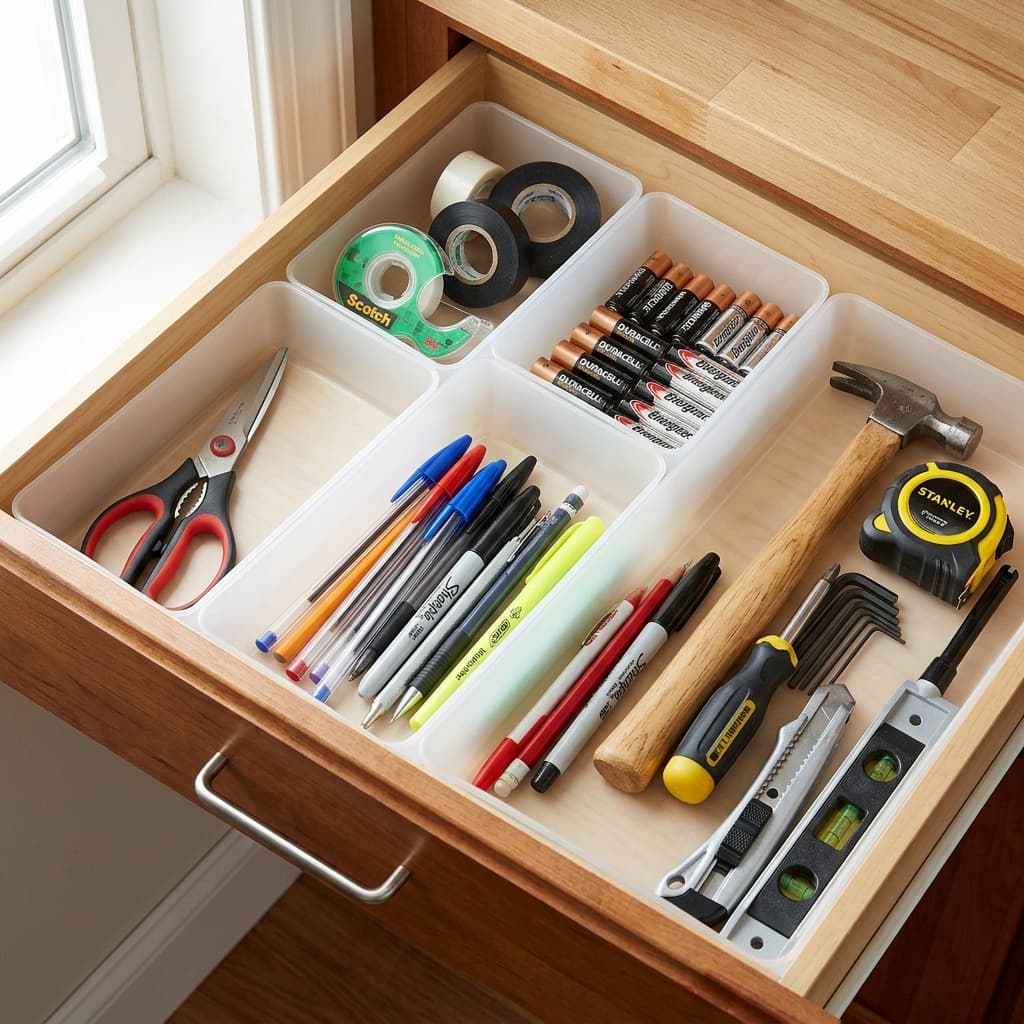
Kitchen Junk Drawer Organization (Under $10)
Tired of the chaotic kitchen junk drawer? This kitchen junk drawer organization system costs under $10 and stops daily clutter from building back up fast.