10-Minute Kitchen Sink & Countertop Reset
Sticky counters and hard water spots taking over your kitchen this summer? This 10-minute sink and countertop reset cuts grease and spots with natural methods.
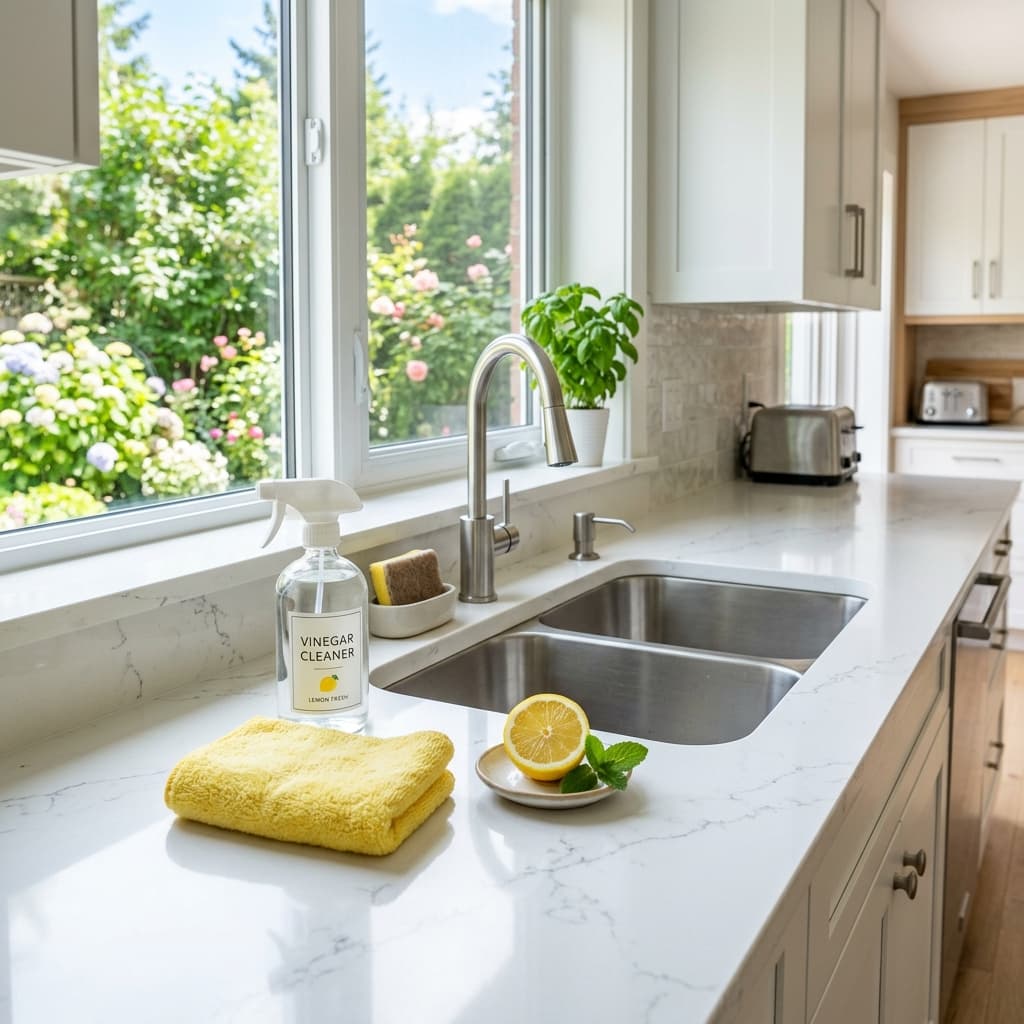
You wipe the counter after making lunch and your hand still feels slightly tacky. The faucet has a cloudy film that won’t come off with a regular sponge. Around the sink, little spots of grease and dried water have built up until the whole area looks dull and sticky no matter how often you “clean” it.
Summer makes this worse. Cooking oils spread farther in the heat, humidity slows drying, and hard water evaporates and leaves mineral deposits behind. Regular dish soap often isn’t enough because it can leave its own thin residue that attracts more dirt.
You don’t need a weekend deep clean or specialty cleaners. A focused kitchen sink countertop reset takes about 10 minutes, uses ingredients you already have, and leaves the surfaces actually clean instead of just smeared. I’ve used this exact routine for years. It keeps the busiest part of the kitchen looking and feeling better through the hottest months.
For broader kitchen systems that survive the heat, organize what's underneath with our Under-Sink Kitchen Organization Under $20. If grease and crumbs have hit the kitchen floor, run a 15-minute sticky floor summer reset.
Why Kitchen Sinks and Counters Get Sticky So Fast in Summer
Heat thins cooking oils and greases so they spread into a fine film. Humidity keeps that film from drying completely, so dust and crumbs stick to it. At the same time, water droplets from washing dishes or rinsing produce evaporate and leave mineral spots—especially if you have hard water.
Most all-purpose sprays just move the grease around or leave a polymer residue that feels clean for a few hours and then turns tacky again. The solution is a method that dissolves the grease and minerals without leaving anything behind.
The 10-Minute Kitchen Sink & Countertop Reset
Set a timer. Work in this order every few days during heavy cooking season.
Minutes 1–2: Clear and Dry Brush
Move everything off the counters and away from the sink—soap bottles, sponges, utensil crocks, fruit bowls. Give the surface a quick dry wipe or brush to remove crumbs and loose debris. This prevents you from turning dry dirt into mud once you add liquid.
Minutes 3–6: The Vinegar Power Pass
Mix equal parts white vinegar and warm water in a spray bottle. For extra grease-cutting power, add a drop or two of dish soap (optional).
Spray the entire countertop, backsplash area near the sink, faucet, and sink basin generously. Let it sit 1–2 minutes. The vinegar dissolves mineral deposits and helps break down light grease.
Wipe with a clean microfiber cloth, flipping to a fresh side as it gets dirty. For the faucet and handles, wrap the cloth around them and twist to reach crevices. This vinegar sink cleaning step removes the cloudy film that regular wiping leaves behind.
Minutes 7–8: Target the Grease Zones
The spots that collect the most summer grease are usually:
- Around the stove-side of the sink
- Under the soap dispenser
- The base of the faucet
- Any place where oil bottles or cooking sprays live
For these areas, make a quick paste of baking soda and a little water. Apply it, let it sit 30–60 seconds, then wipe. Baking soda provides gentle abrasion without scratching most surfaces and absorbs odors.
Rinse the cloth and do a final wipe of the whole area with clean water or a fresh vinegar mix to remove any baking soda residue.
Minutes 9–10: Dry and Reset
Dry the counters and faucet completely with a clean towel. Water left behind just creates new spots as it evaporates.
Put back only what belongs: soap, a clean sponge or brush, and maybe a small tray for frequently used items. Everything else goes in a cabinet or on a different counter.
Run the faucet for a second and wipe the handles one last time. Done.
Natural Solutions That Work Better in Heat
Keep these simple ingredients under the sink:
- White vinegar
- Baking soda
- Microfiber cloths
- A spray bottle
- Optional: a drop of dish soap or lemon essential oil for scent
 Image generated by AI for The Digital Growers
Why this combination works:
Vinegar cuts minerals and light grease. Baking soda lifts sticky residue. Microfiber traps the dirt instead of spreading it. Nothing left behind means surfaces stay cleaner longer—exactly what you want for a reliable sticky countertop natural clean.
Daily Habits That Stretch the Reset
The 10-minute version works best when you support it with tiny daily actions:
- Wipe the sink and the counter nearest the stove every night with a damp microfiber cloth.
- Dry the faucet after the last use of the evening.
- Keep oil bottles and cooking sprays on a tray so drips stay contained.
- Replace sponges regularly—old sponges spread grease more than they remove it.
These habits reduce how often you need the full reset.
The Kitchen Sink & Countertop Checklist
- [ ] Clear counters and dry-brush crumbs
- [ ] Spray vinegar-water solution and let sit
- [ ] Wipe all surfaces and faucet
- [ ] Treat sticky zones with baking soda paste
- [ ] Final clean-water or vinegar wipe
- [ ] Dry everything completely
- [ ] Reset only essential items
Do this every 3–4 days in summer and the sticky, spotted look stays away.
Common Mistakes That Keep Counters Looking Dull
- Using the same dirty sponge or cloth for the whole kitchen
- Skipping the drying step so hard water spots return immediately
- Relying only on dish soap (it can leave residue)
- Letting oil bottles sit directly on the counter without a tray
- Waiting until the surface feels heavily sticky before cleaning
Short, frequent resets beat occasional marathon scrubbing sessions.
This routine won’t remove years of built-up hard water scale or damaged finish. But for the everyday summer grease film and fresh spots most of us deal with, it’s fast and effective.
Frequently Asked Questions
Why do my counters feel sticky even after I wipe them?
Many cleaners leave a thin residue that attracts more dirt, especially in humid weather. Vinegar-based solutions dissolve that film and evaporate cleanly, which is why they work better for a true kitchen sink countertop reset.
Is vinegar safe on all countertops?
Diluted white vinegar is safe for most laminate, sealed granite, quartz, and solid surface counters. Avoid it on natural marble, limestone, or unsealed stone—use a stone-safe cleaner instead. When in doubt, test a small hidden area.
How do I get rid of hard water spots on the faucet?
Vinegar dissolves the minerals. Spray it on, let it sit a few minutes, then wipe and dry thoroughly. For stubborn spots, soak a paper towel in vinegar, wrap it around the faucet, and leave it for 10–15 minutes before wiping.
How often should I do the 10-minute kitchen reset in summer?
Every 3–4 days keeps grease and spots from building up. If you cook a lot of oily foods, every other day may feel better. The daily night wipe reduces the need for full resets.
Can I use this method on a stainless steel sink?
Yes. Vinegar and baking soda are safe for stainless. Always dry it completely afterward to prevent new water spots and keep the finish looking bright.
What’s the fastest way to deal with a greasy stovetop-adjacent counter?
Baking soda paste applied to the sticky zone, left for a minute, then wiped with vinegar solution. Follow with a dry cloth. It cuts through cooking oil residue better than most sprays.
Related Guides & Reading
- Under-Sink Kitchen Organization Under $20
- 15-Minute Sticky Floor & Musty Smell Summer Reset
- 10-Minute Summer House Reset Clean (Cooler & Calmer)
- Japandi Pantry Organization for Hot Weather
- Why Is My House So Humid in Summer? 7 Fixes That Work
Sticky counters and cloudy faucets are one of the most annoying parts of a busy summer kitchen. Ten minutes, a spray bottle of vinegar, and a bit of baking soda are enough to cut through the grease film and hard water spots without harsh chemicals or a lot of scrubbing.
Clear the surface, spray, wipe, dry, and put back only what belongs. Do it a couple of times this week and notice how the room feels when you walk in tonight. That calmer, fresher feeling is what you want to protect all summer.
What’s the stickiest zone in your kitchen right now—the area around the stove, the sink edge, or the coffee station? Tell me in the comments so I can help you adjust the routine. You’ve got this.
Related Posts
More in Kitchen & Dining →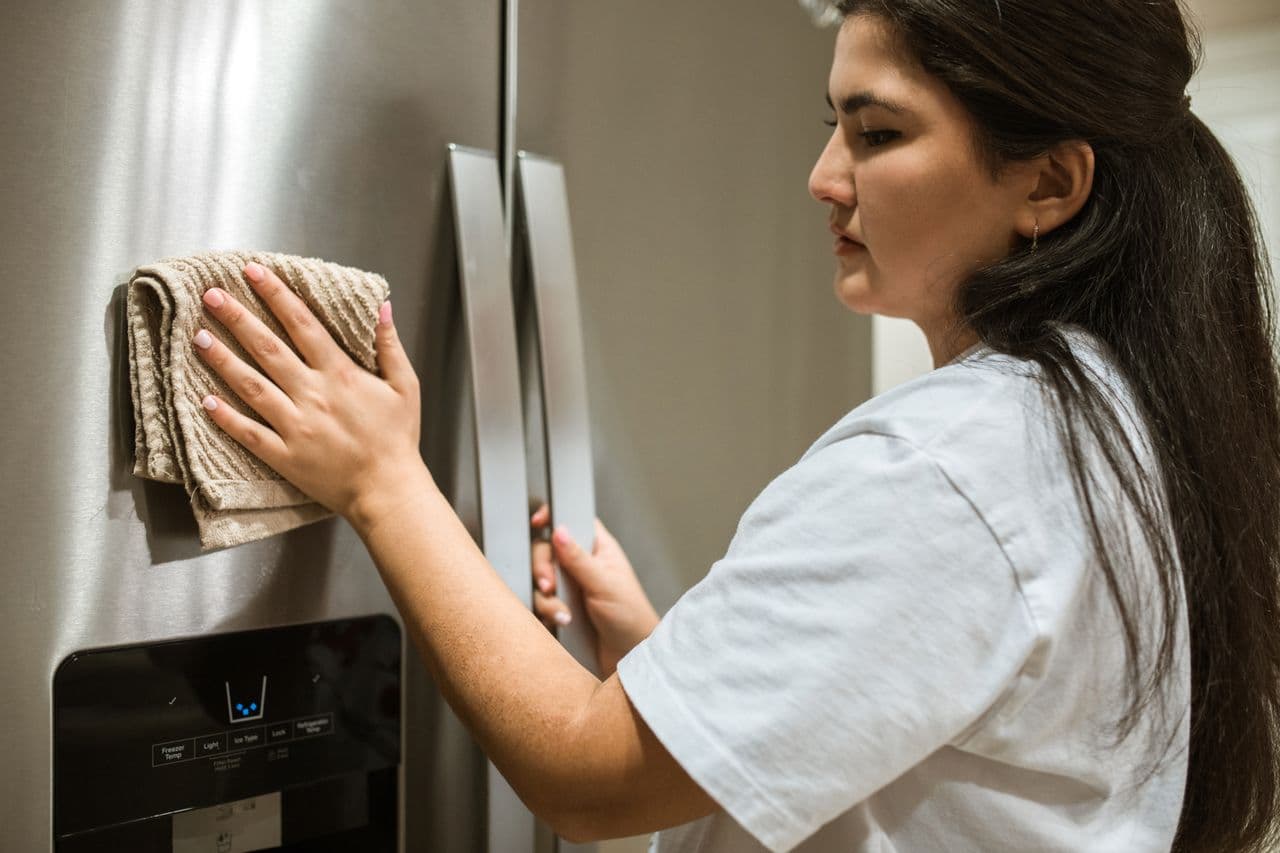
How to Clean Refrigerator Door Seals (Stop Mold & Sticky Residue)
Sticky fridge door seals or mold in the folds? Clean refrigerator door gaskets in 15 minutes: remove residue, cut mold risk, and restore a tight seal.
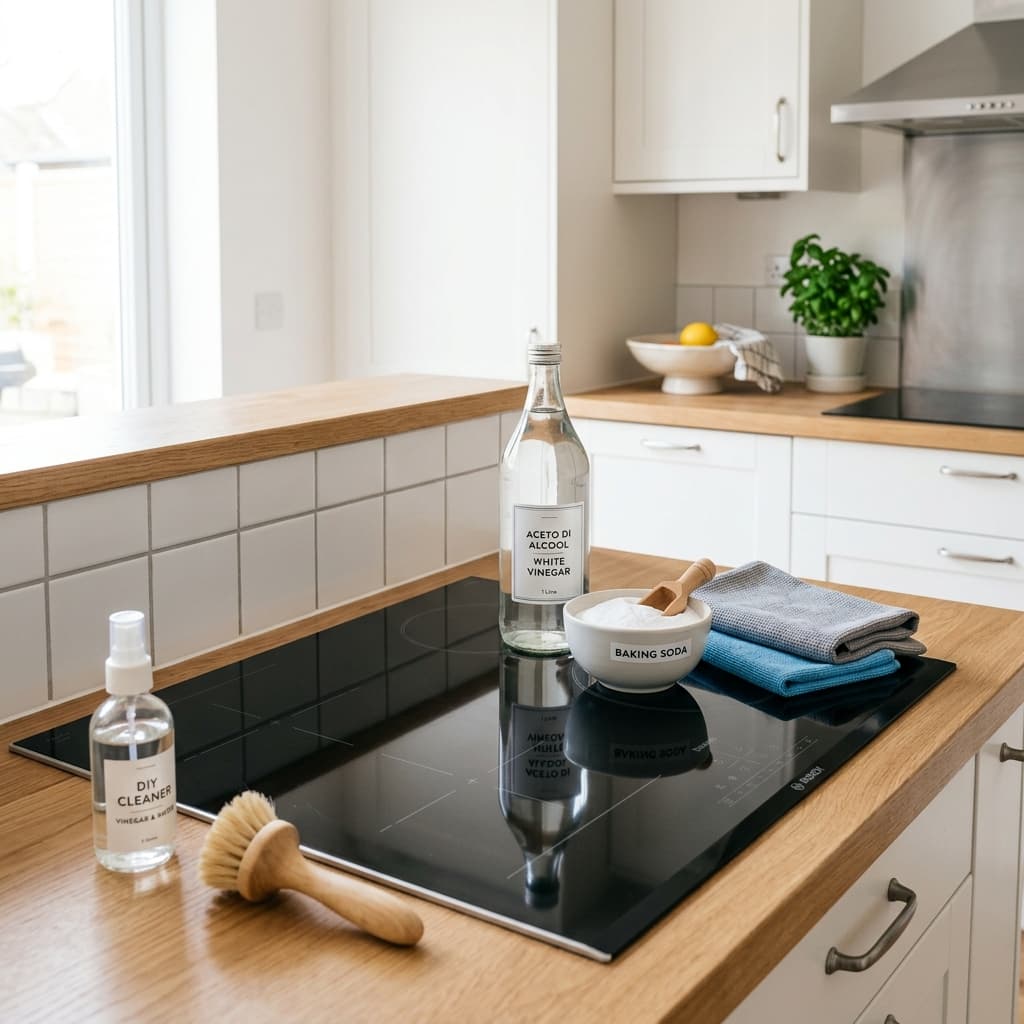
Stovetop Grease Reset with Baking Soda & Vinegar
Sticky summer grease on your stovetop? This baking soda and vinegar method loosens residue with almost no heavy scrubbing so your stove looks clean again fast.
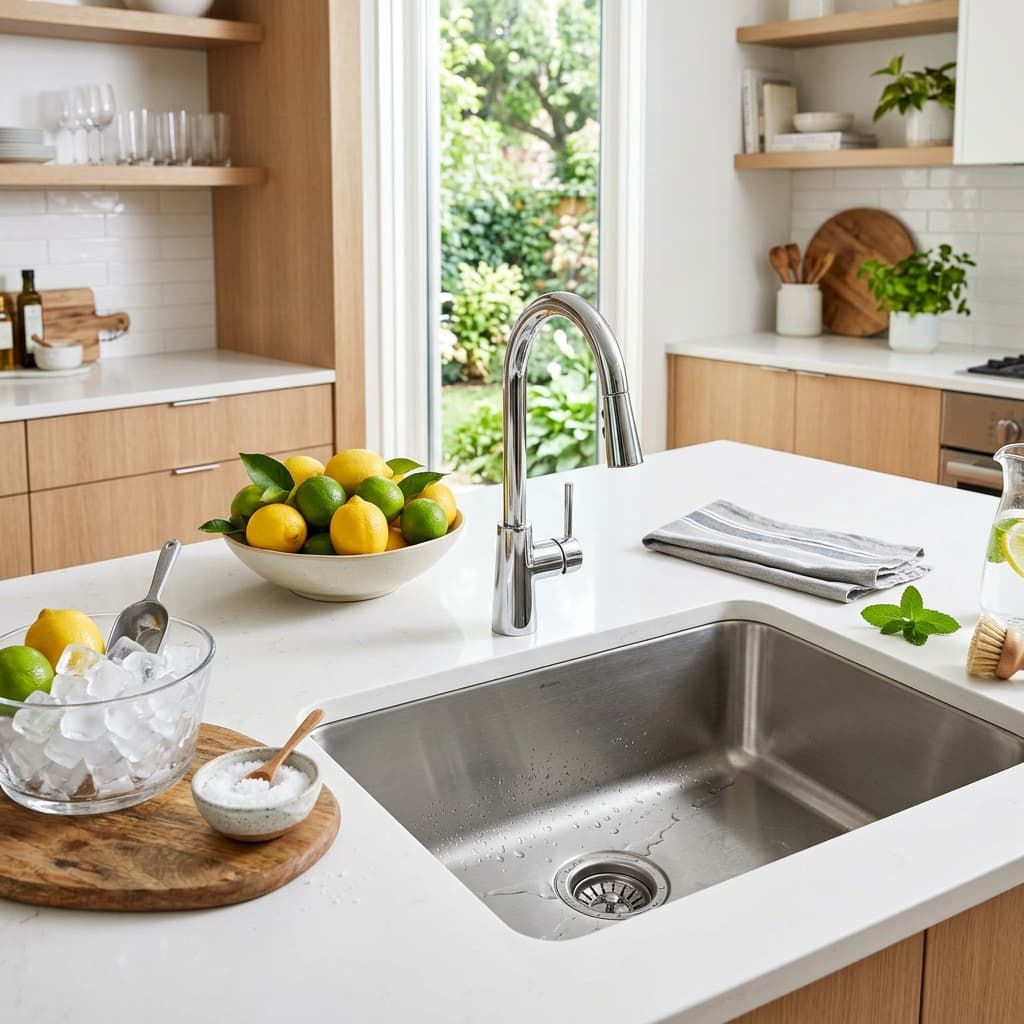
Garbage Disposal Refresh with Ice, Salt & Citrus
Summer heat making your garbage disposal smell? This ice, salt, and citrus refresh stops odors and cleans the blades in minutes without harsh chemicals.