Trash Can Odor Control: Natural Summer System
Summer heat making your trash can and recycling smell terrible? This natural trash can odor control system stops stink at the source without harsh chemicals.
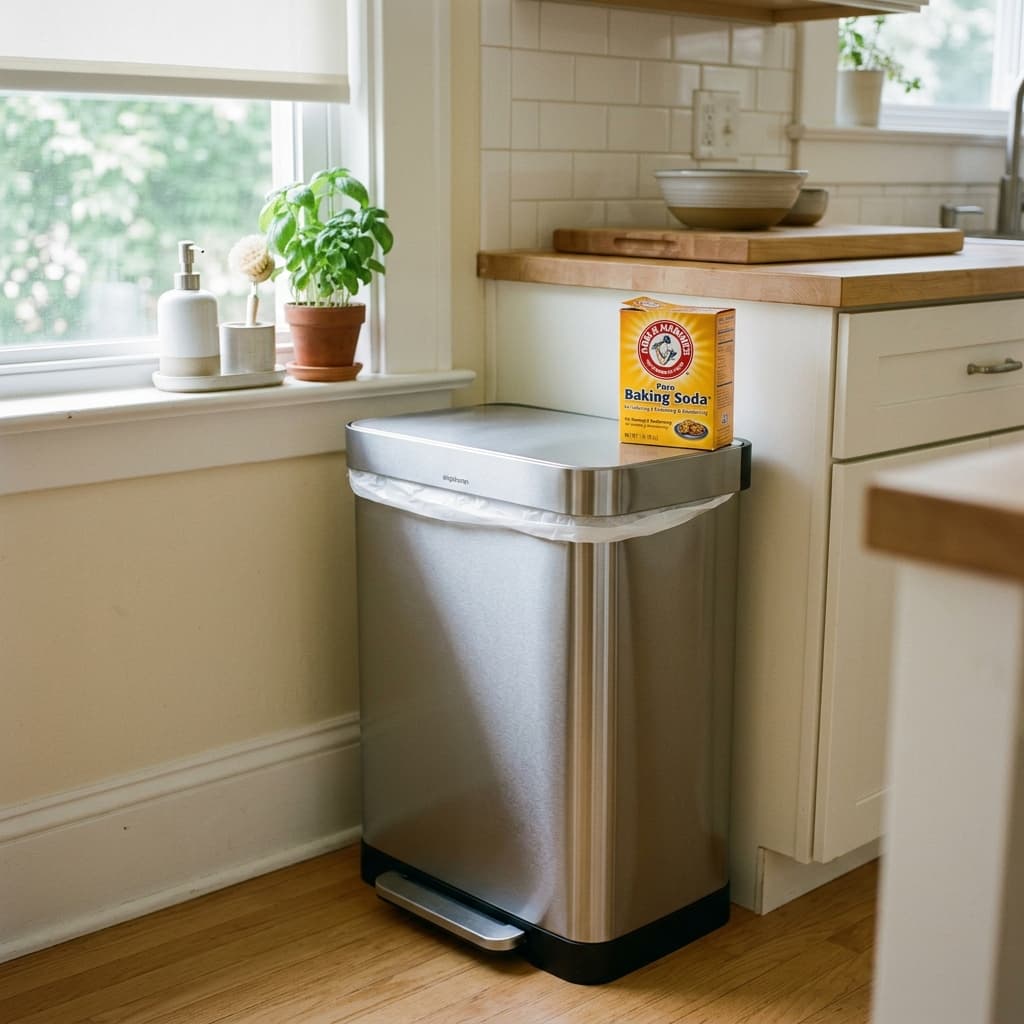
You walk past the kitchen trash can and the smell hits you before you even open the lid. Outside, the recycling bin has that sour, fermented odor that seems to get stronger every day the temperature climbs. You take the bags out regularly, yet the stink keeps coming back.
Summer heat turns normal household trash and recycling into an odor problem fast. Food scraps break down quicker, liquids sour, and the plastic bins themselves hold onto smells. Most people respond by spraying air freshener or double-bagging, which only masks the issue for a short time.
A simple trash can odor control system using natural methods works better and costs almost nothing. It focuses on preventing the smell at the source instead of covering it up. I’ve used variations of this approach for years in hot climates. When you combine a few consistent habits with basic natural deodorizers, the difference is noticeable within a day or two.
For other summer cleaning and odor prevention systems, see our 10-minute summer house reset clean, summer fridge organization, or how to reduce humidity and musty smells indoors.
Why Trash and Recycling Smell Worse in Summer
Heat speeds up decomposition. Food waste, especially anything with moisture—coffee grounds, fruit peels, leftovers—breaks down faster and produces stronger odors. Recycling bins collect residue from cans, bottles, and containers that still have liquid or food particles. Once that residue sits in a warm plastic bin, the smell embeds into the material itself.
Lids that don’t seal well, bags that leak, and bins that rarely get washed make the problem chronic. Air fresheners and scented bags only hide the odor temporarily. The real solution is keeping the bins cleaner and drier while neutralizing odors at the source.
The Simple Natural Odor Control System
This system has three parts: daily habits, weekly cleaning, and ongoing odor absorbers. None of it requires special products.
1. Daily Prevention Habits
These small actions stop most smells before they start:
- Empty food scraps frequently, especially in hot weather. Don’t let them sit for days.
- Rinse recyclable containers before they go in the bin. A quick rinse removes the liquids and food film that cause the worst odors.
- Use a bag that fits well and doesn’t tear easily. If a bag leaks, the liquid soaks into the bin and creates lasting smell.
- Keep the lid closed. It seems obvious, but an open or partially open lid lets heat and insects make everything worse.
- Take the trash out on a schedule that matches your household’s volume rather than waiting until the bag is overflowing.
These habits alone cut down a large percentage of summer odor problems.
2. The Weekly (or Bi-Weekly) Bin Wash
 Image generated by AI for The Digital Growers
Even with good habits, the bins themselves need occasional cleaning.
Basic wash method:
- Take the bins outside or to a utility sink area.
- Rinse with a hose or dump out any loose debris.
- Sprinkle a generous amount of baking soda across the bottom and sides.
- Add a bit of hot water and a few drops of dish soap.
- Scrub with a long-handled brush dedicated to this job.
- Rinse thoroughly.
- Let the bins dry completely in the sun if possible before putting in new bags.
Sunlight helps kill odor-causing bacteria. If you can’t get them fully dry, wipe them with a towel. Putting a bag into a damp bin traps moisture and restarts the smell cycle.
For a stronger natural trash can clean, spray the inside with a 50/50 vinegar and water solution after washing and let it air dry. Vinegar helps neutralize lingering odors.
3. Ongoing Odor Absorbers
Once the bin is clean, keep a simple absorber working between washes.
Effective options:
- An open box or small dish of baking soda at the bottom of the bin (under the bag) or sprinkled lightly in the bottom before the bag goes in
- A charcoal odor absorber bag
- A few drops of tea tree or lemon essential oil on a cotton ball placed near the bin (not soaked into the bag where it might transfer)
- Crumpled newspaper in the bottom of recycling bins to absorb moisture
Baking soda is the cheapest and most reliable for most households. Replace it every 2–4 weeks or when it stops helping. This is the core of practical baking soda trash odor control.
Special Tips for Kitchen Trash Cans
Indoor kitchen cans need extra attention because the smell affects living space directly.
- Choose a can with a tight-fitting lid.
- Consider a smaller can that forces more frequent emptying in summer.
- Line with a good-quality bag and, if leaks are common, use a second bag or a small absorbent pad at the bottom.
- Wipe the exterior and lid handle regularly—they collect residue too.
- If you generate a lot of food waste, a countertop compost pail that gets emptied often can keep the main trash much cleaner.
Outdoor Trash and Recycling Bins
Outdoor bins face heat, sun, and sometimes animals.
- Store them in shade when possible. Direct sun heats the contents and intensifies odors.
- Keep lids securely closed.
- Wash them more often in peak summer—every 1–2 weeks if needed.
- After washing, leave them upside down or open in the sun to dry and deodorize.
- If flies or pests are an issue, a light sprinkle of diatomaceous earth around the base (not inside the bin) can help, or simply maintain tighter lids and more frequent collection.
What Doesn’t Work Long-Term
- Relying only on scented trash bags
- Spraying air freshener into a dirty bin
- Ignoring recycling residue
- Letting bags sit in a damp bin
- Using strong chemical cleaners that leave their own smell and residue
Masking odors fails when the source is still present. Removing the source and keeping the bin dry is what actually works.
Simple Summer Maintenance Schedule
- Daily: Empty food-heavy trash as needed, rinse recyclables, keep lids closed.
- Every 3–7 days: Take bins out for collection or transfer.
- Every 1–2 weeks: Wash the bins with baking soda and soap, dry thoroughly, refresh absorbers.
Adjust based on household size and how quickly odors appear. Smaller households may stretch the washing interval; larger ones or those with lots of food waste may need it more often.
FAQ: Trash Can & Recycling Odor Questions
How do I stop my trash can from smelling in summer?
Empty it more often, rinse food containers before they go in recycling, wash the bin regularly with baking soda and soap, dry it completely, and keep a baking soda absorber working between cleanings. Prevention plus simple cleaning beats masking sprays.
Is baking soda really effective for trash can odor?
Yes. Baking soda absorbs and neutralizes odors rather than just covering them. Place an open box or a small amount in the bottom of the bin (under the bag) and replace it periodically. It’s one of the cheapest and most reliable methods for stop trash can smell results.
How often should I wash outdoor trash and recycling bins?
In hot weather, every 1–2 weeks is a good target if odors are noticeable. In milder conditions you can stretch it longer. Always dry the bins thoroughly after washing.
What’s the best natural way to clean a smelly recycling bin?
Rinse out loose debris, scrub with hot water, dish soap, and baking soda, then spray with vinegar solution and let it dry in the sun. Residue from bottles and cans is usually the main culprit, so rinsing containers before they go in the bin helps prevent the problem.
Can I use essential oils to control trash odors?
A few drops on a cotton ball or on the baking soda can help with the scent, but they won’t fix a dirty or damp bin. Use them as a supplement to cleaning and drying, not as the main solution.
Why does my trash can still smell after I change the bag?
The odor is often in the bin itself or in residue under the bag. Wash and dry the bin, add a fresh baking soda absorber, and make sure no liquids have leaked into the bottom.
Related Guides
- Kitchen Sink Countertop Reset Guide
- Under-Sink Kitchen Organization System
- 10-Minute Summer House Reset Clean
- Summer Fridge Organization to Stop Food Waste
- How to Reduce Humidity and Musty Smells Indoors
Summer trash and recycling odors are miserable but very fixable. Empty food waste promptly, rinse recyclables, wash the bins with baking soda and soap, dry them completely, and keep a simple absorber working between cleanings.
Start with one thorough bin wash this week and put a box of baking soda to work. The difference in smell is usually obvious within a day. Once the system is in place, it takes very little time to maintain.
What’s the worst offender in your house right now—the kitchen can or the outdoor recycling bin? Tell me in the comments so I can help you fine-tune the approach. You’ve got this.
Related Posts
More in Home Organization →
Door Frames, Knobs & Handles Full Reset
Sticky door knobs and scuffed frames looking dull? This door frames and handles reset uses a natural wipe or melamine sponge without damage.

Under-Furniture Dust Reset for Cleaner Rooms
Dust under furniture making rooms feel smaller? This under-furniture dust reset clears the mess without moving heavy pieces so spaces look bigger.
Washing Machine Deep Clean for Musty Smells
Musty smells ruining your laundry? This washing machine deep clean removes buildup, cleans the gasket, and stops odors with a tablet or natural method.